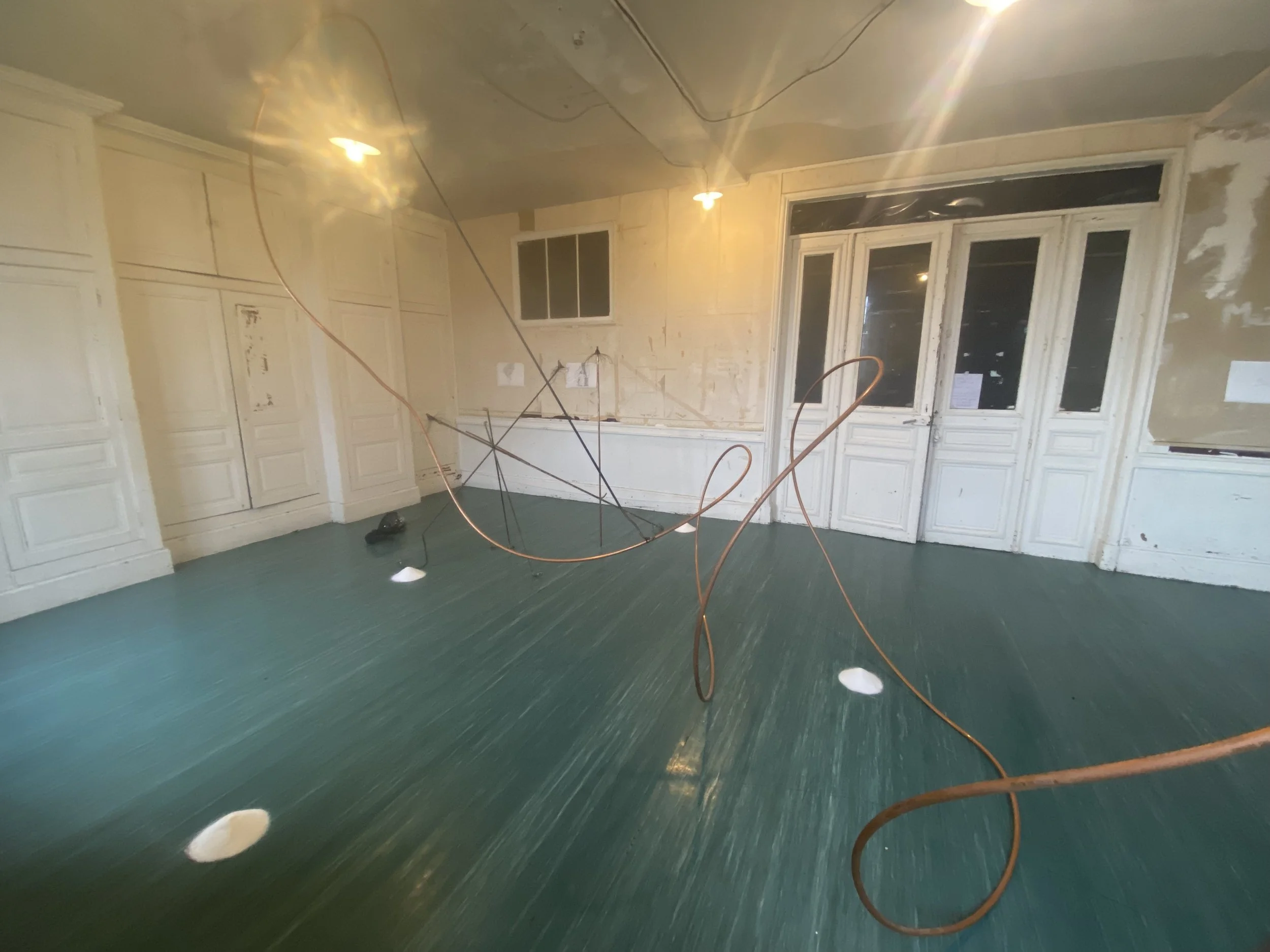
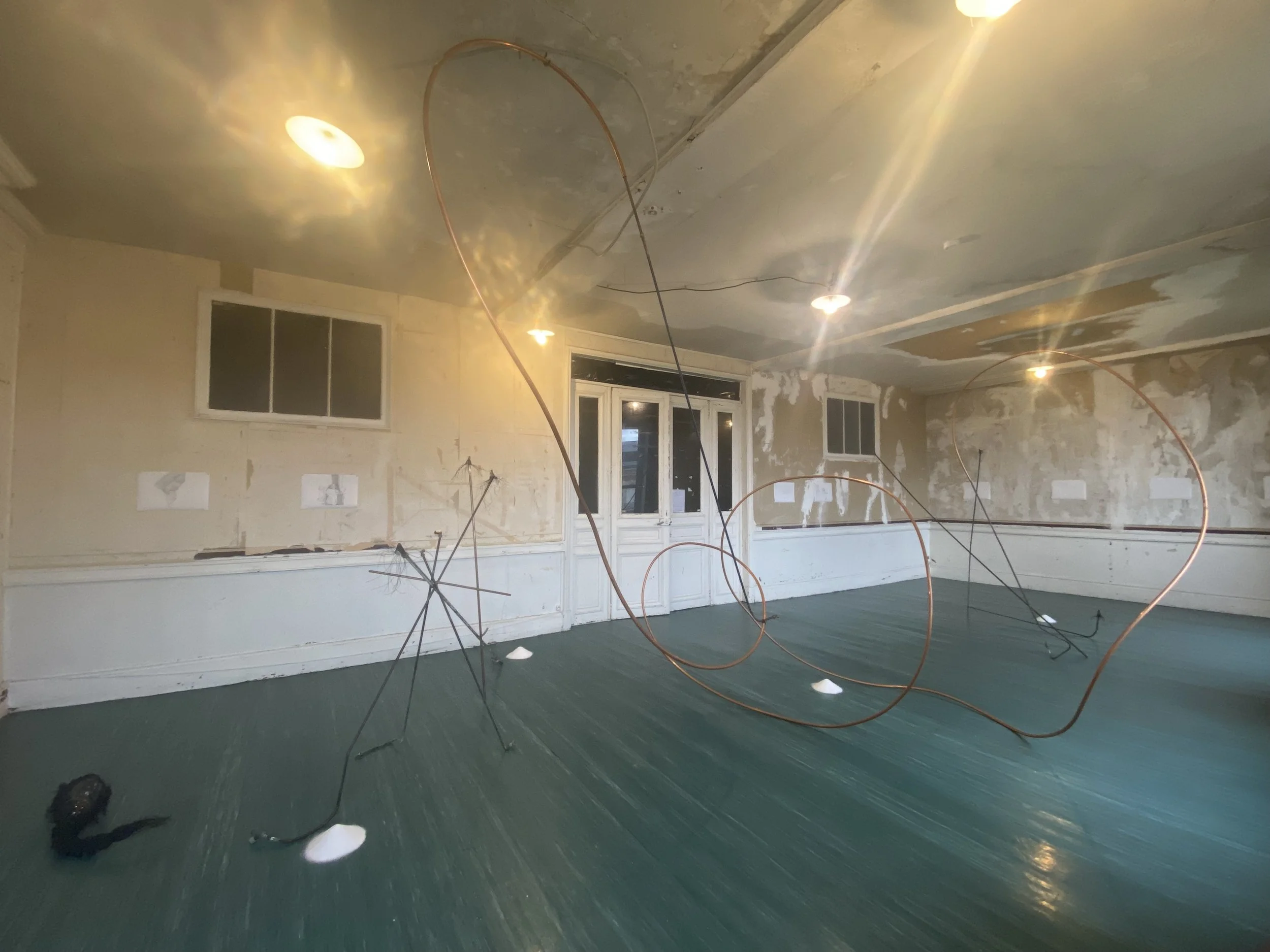
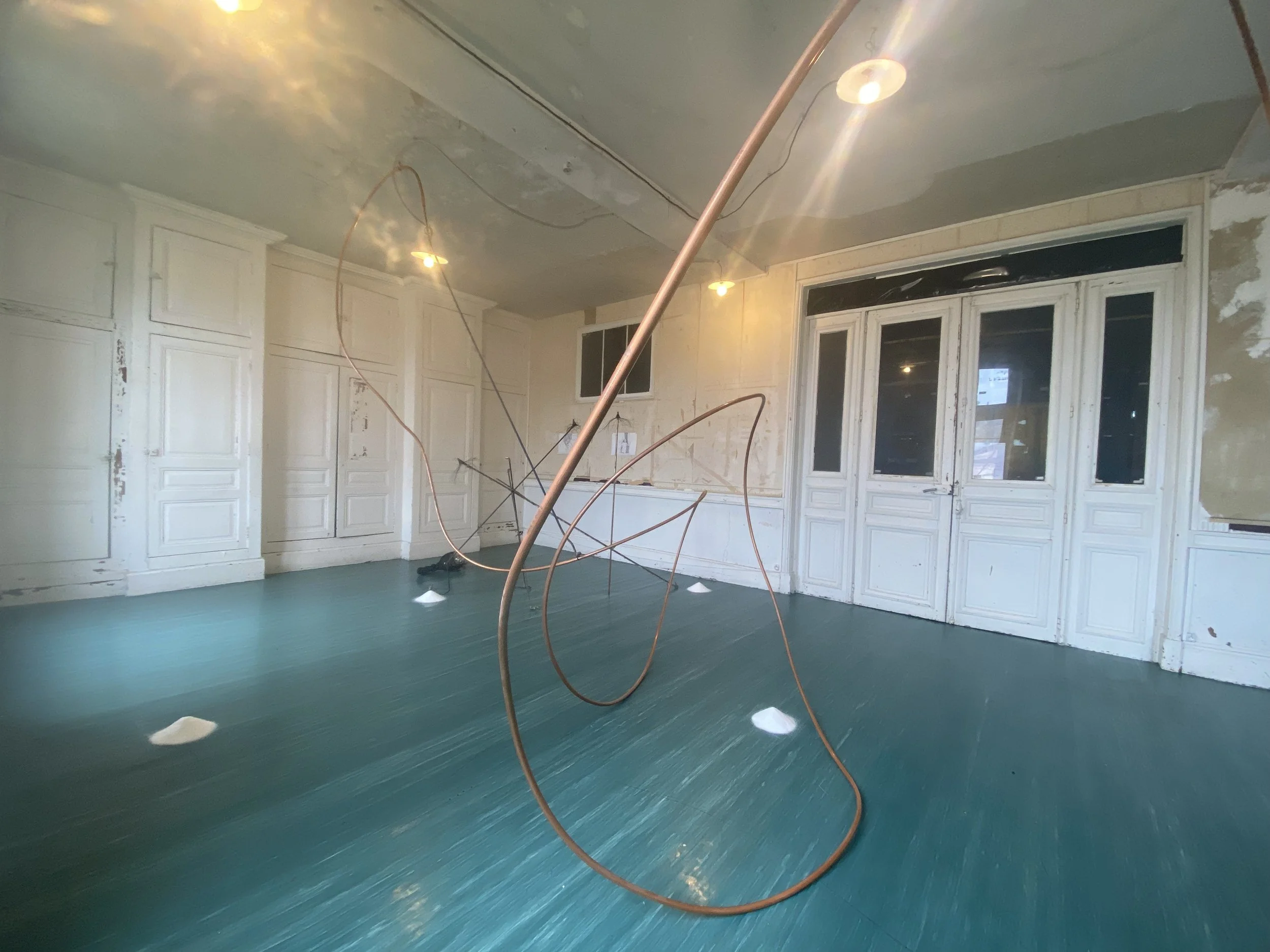
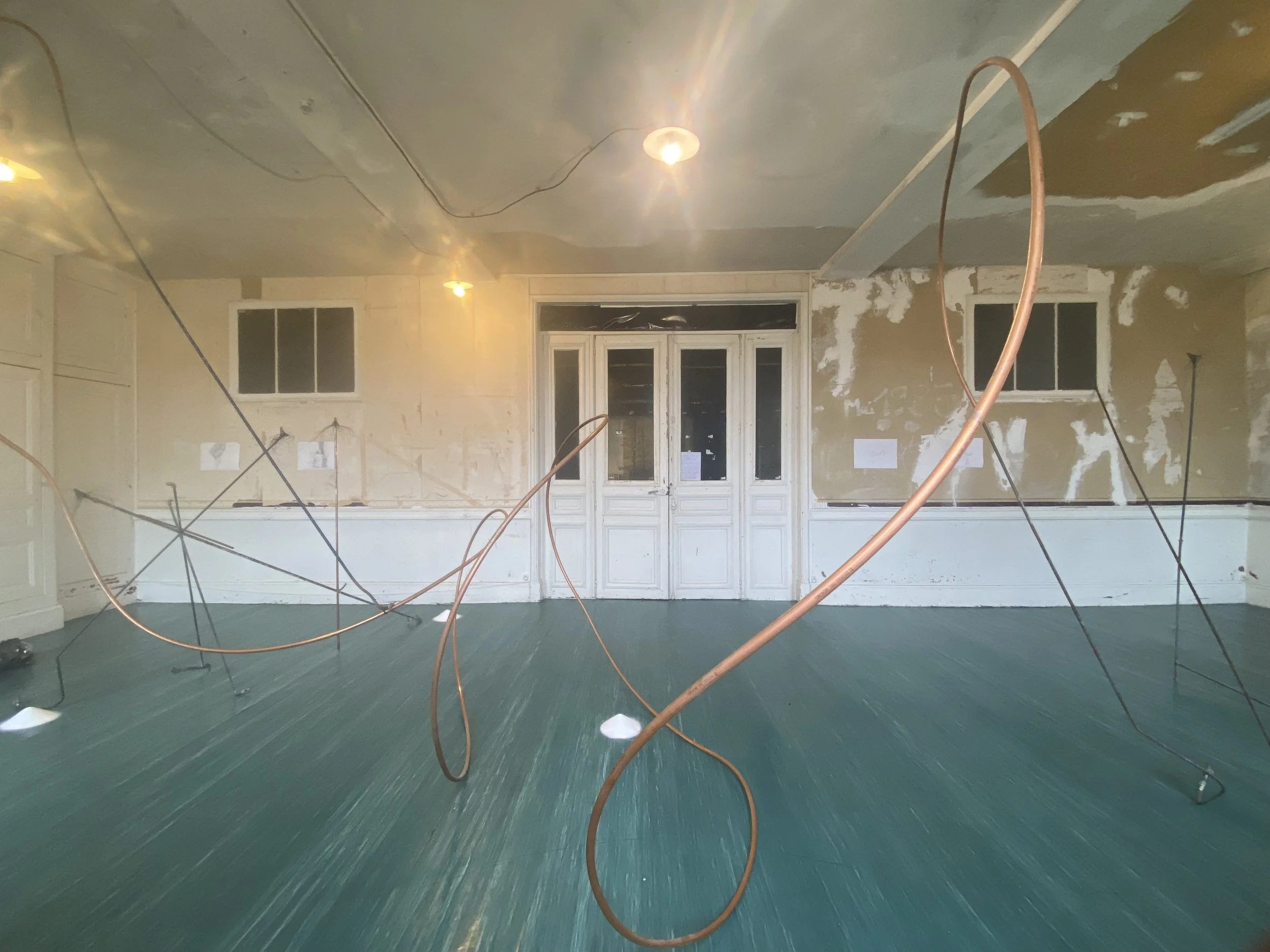
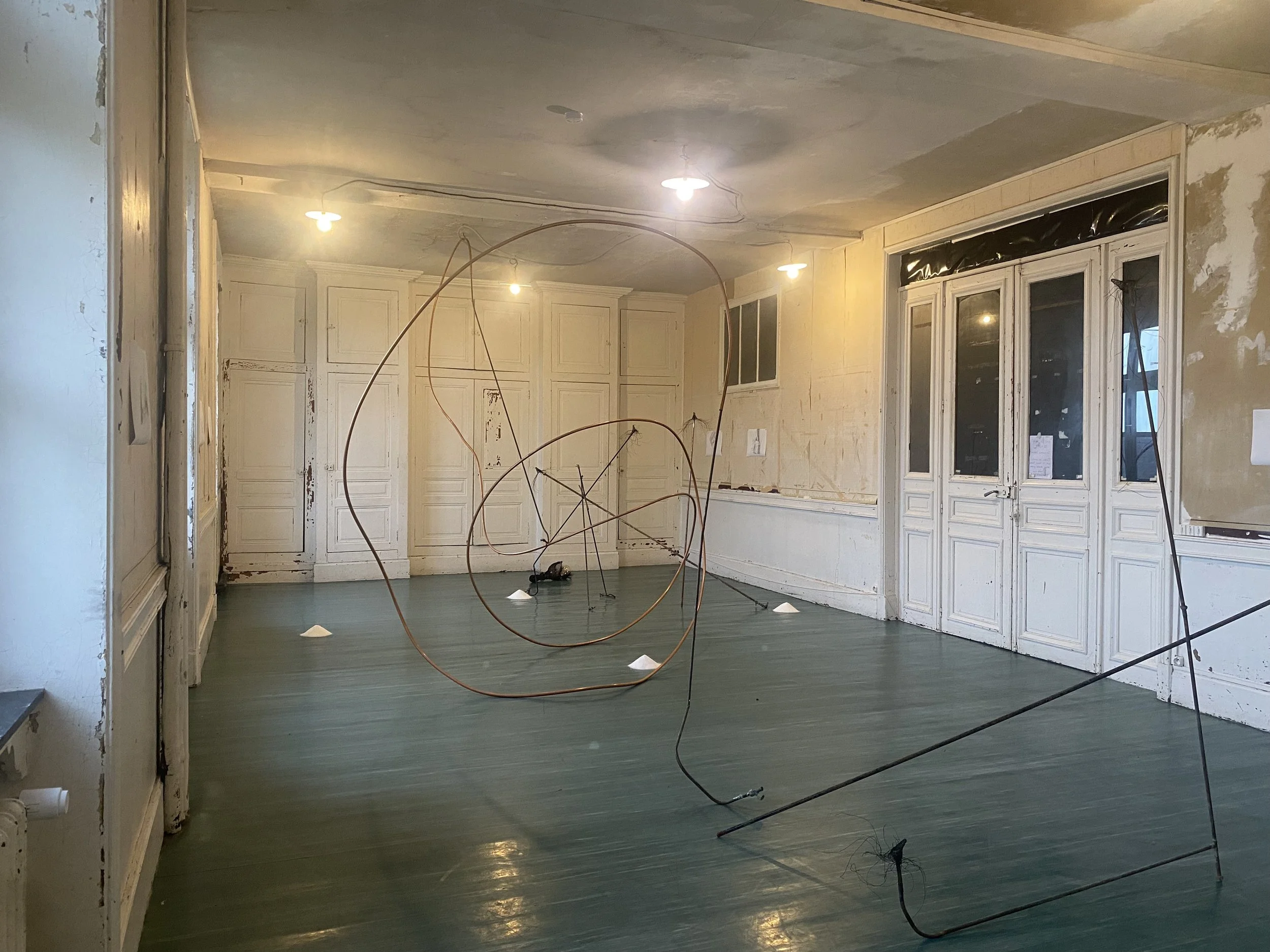
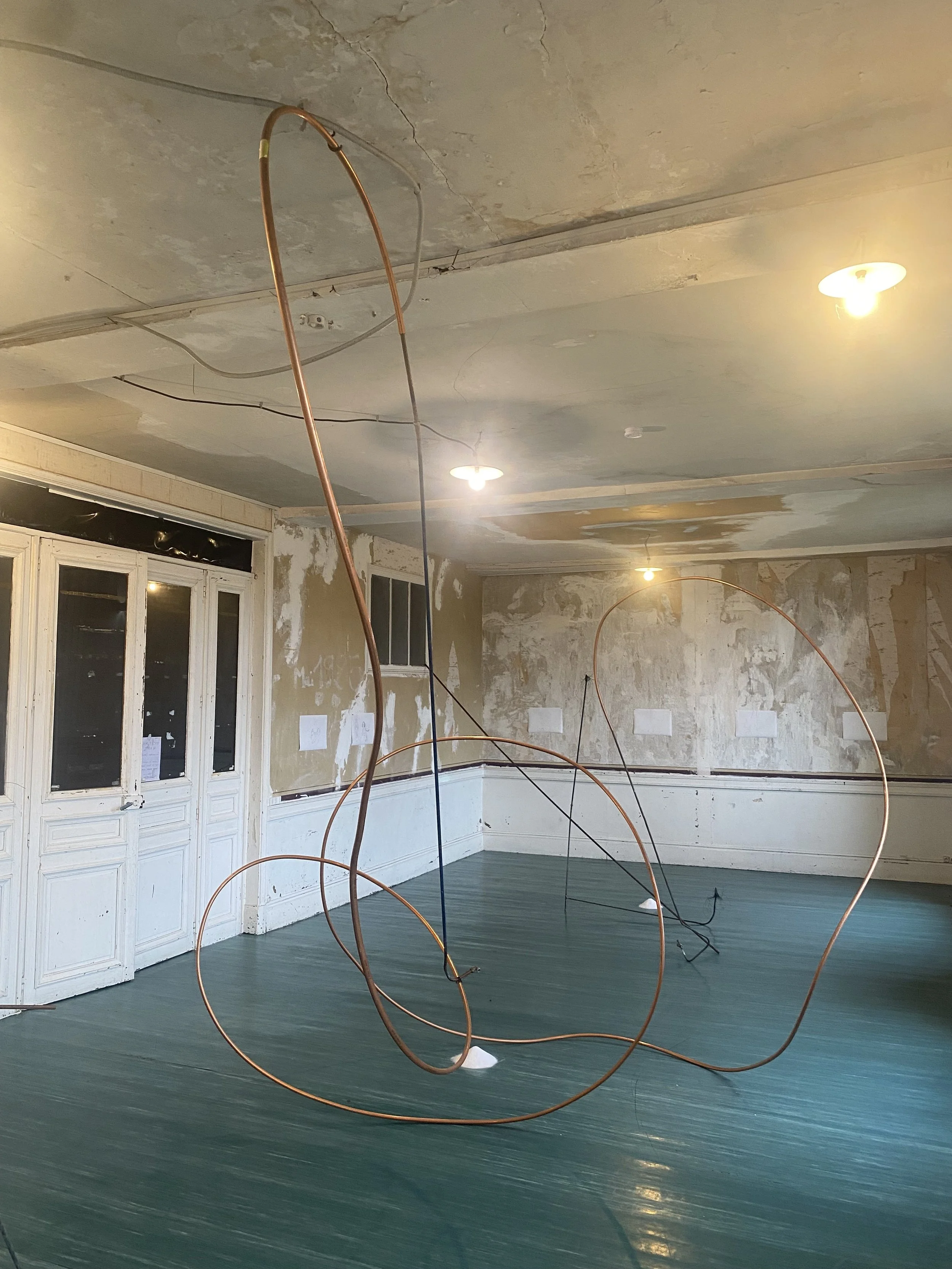
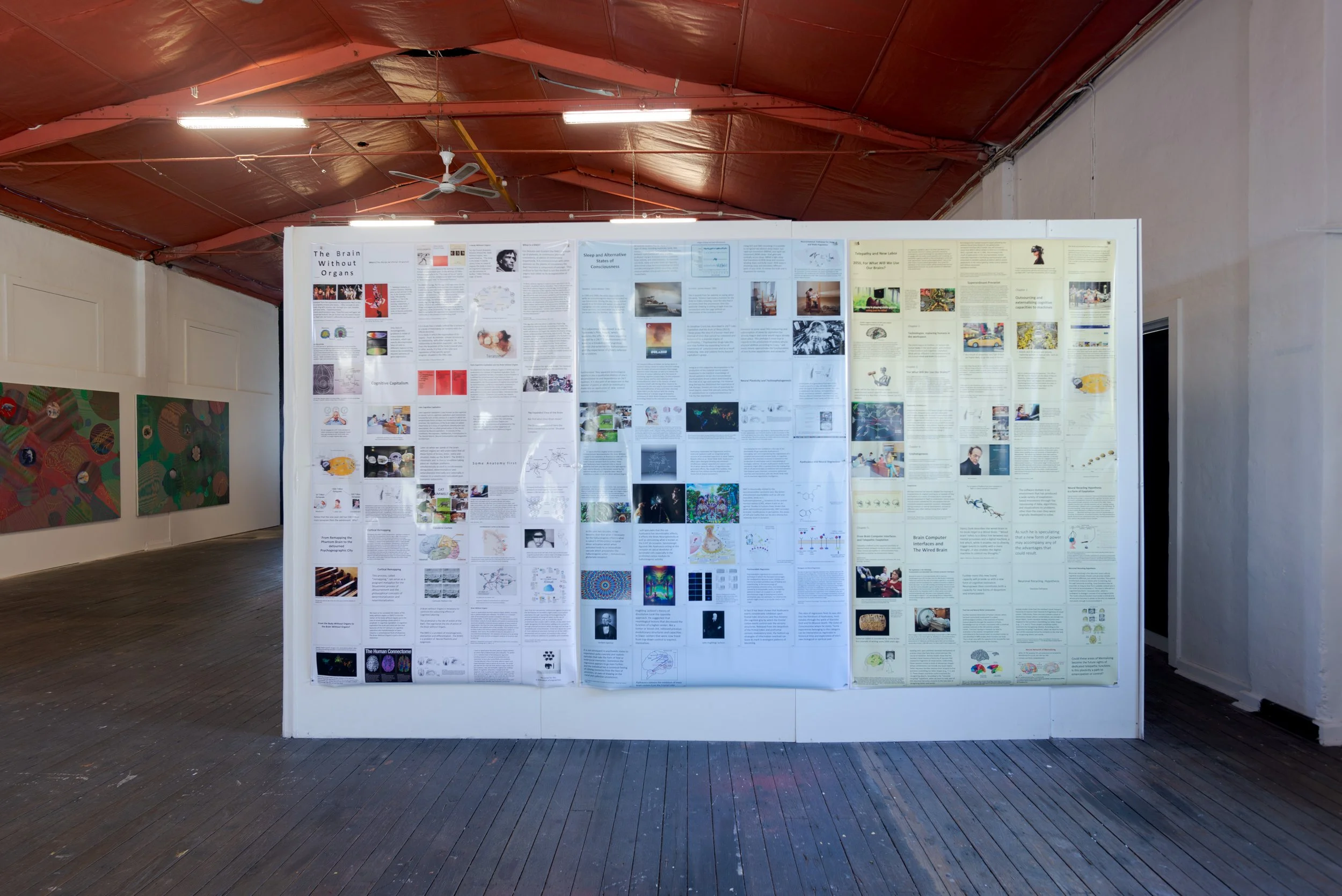
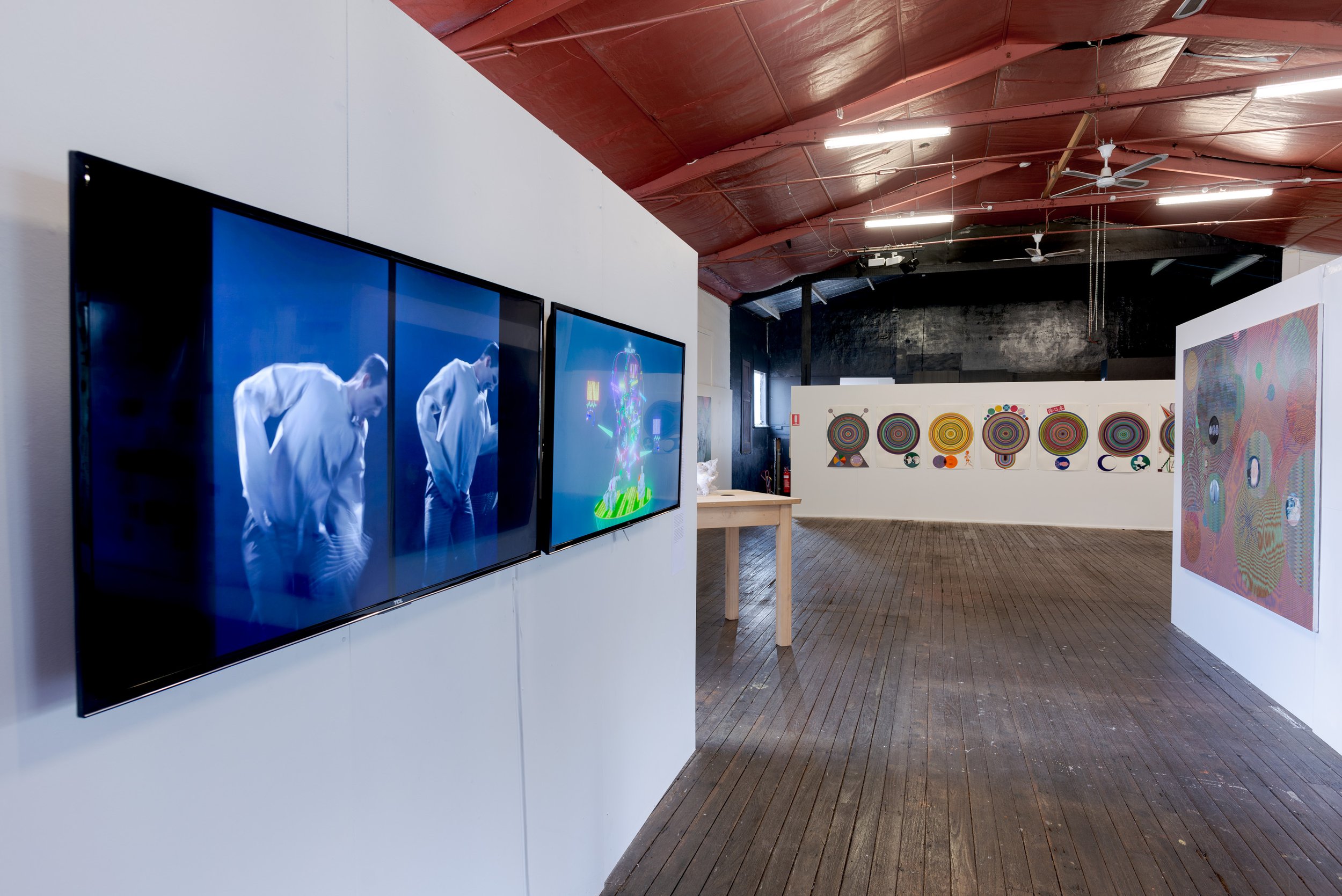
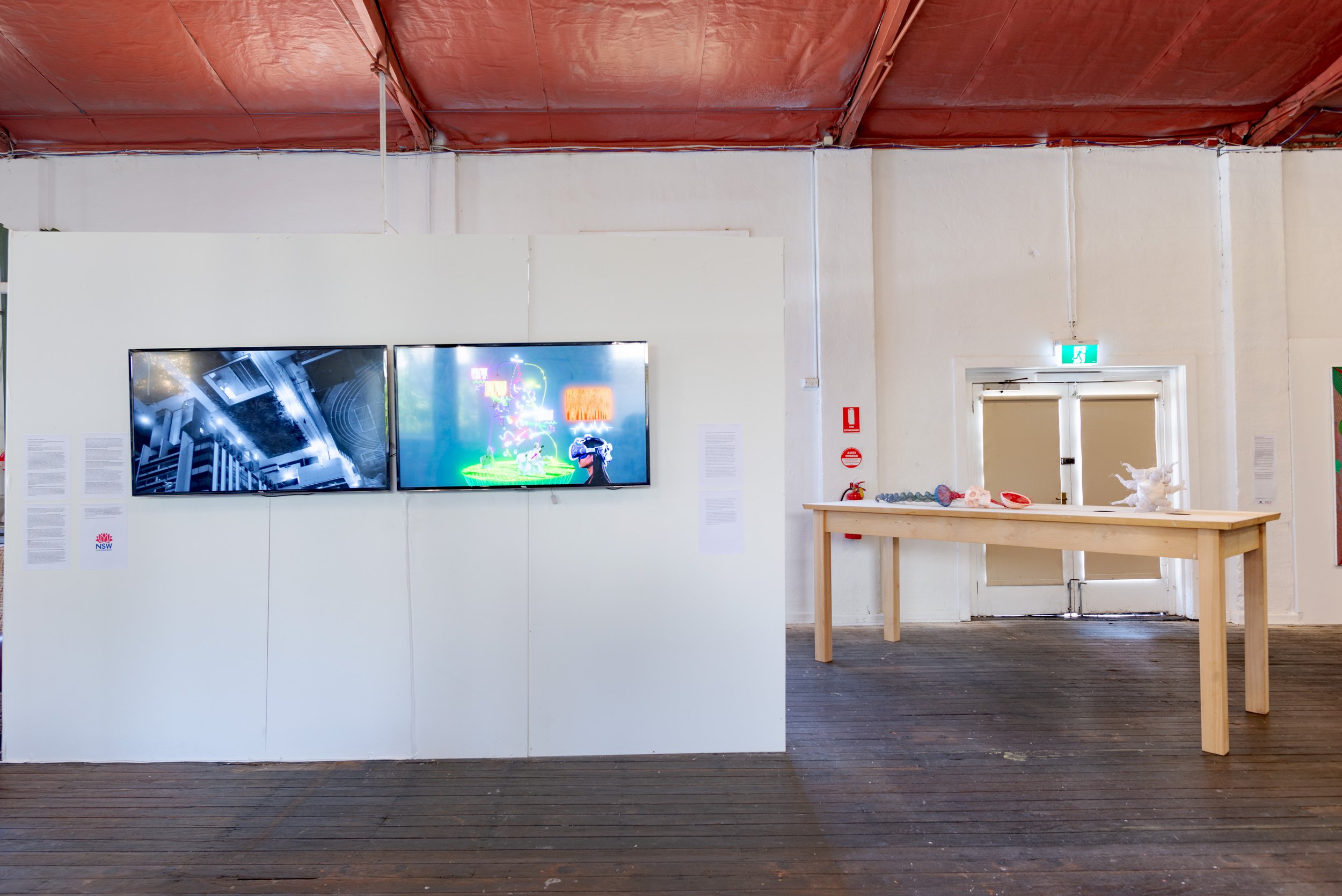
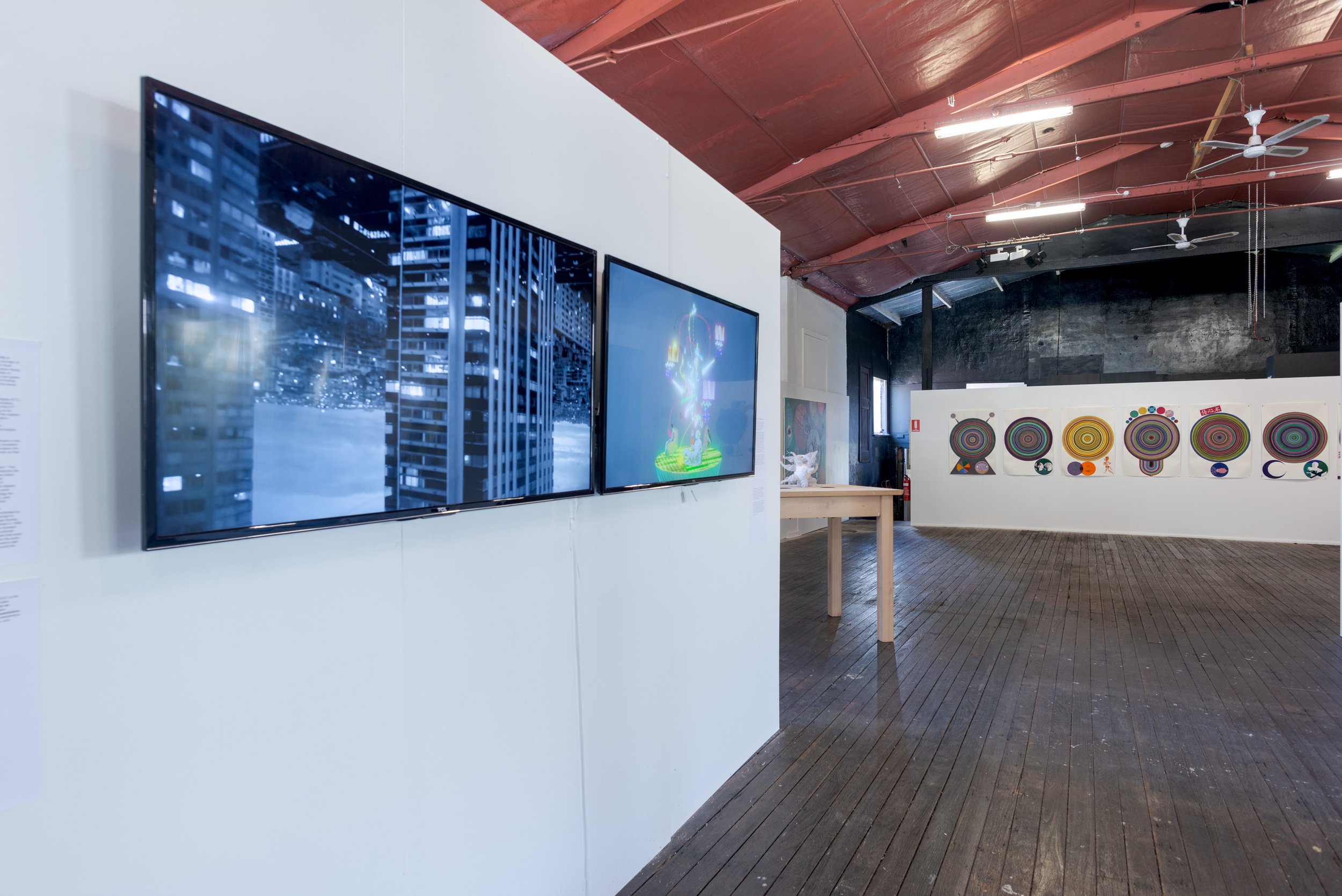
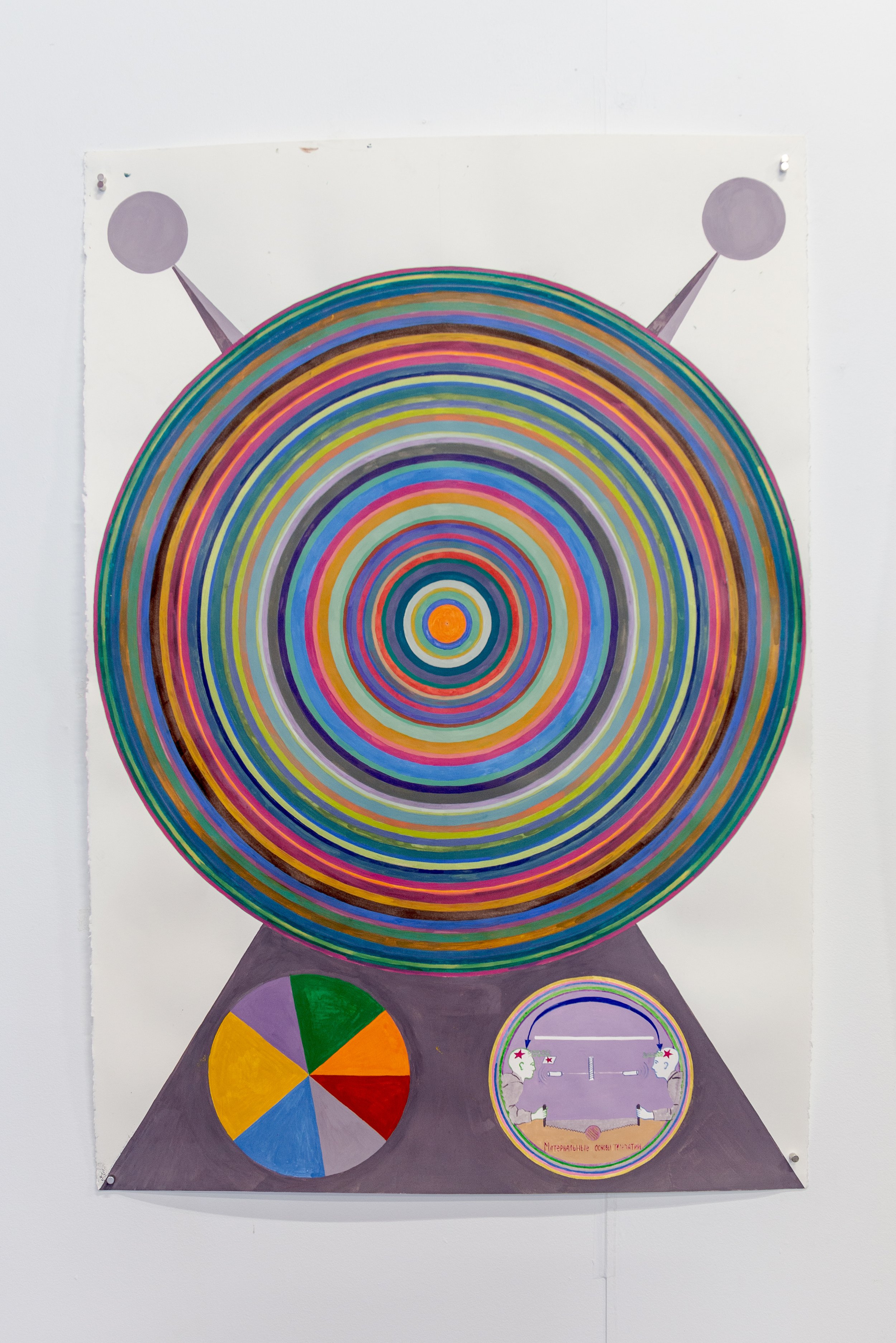
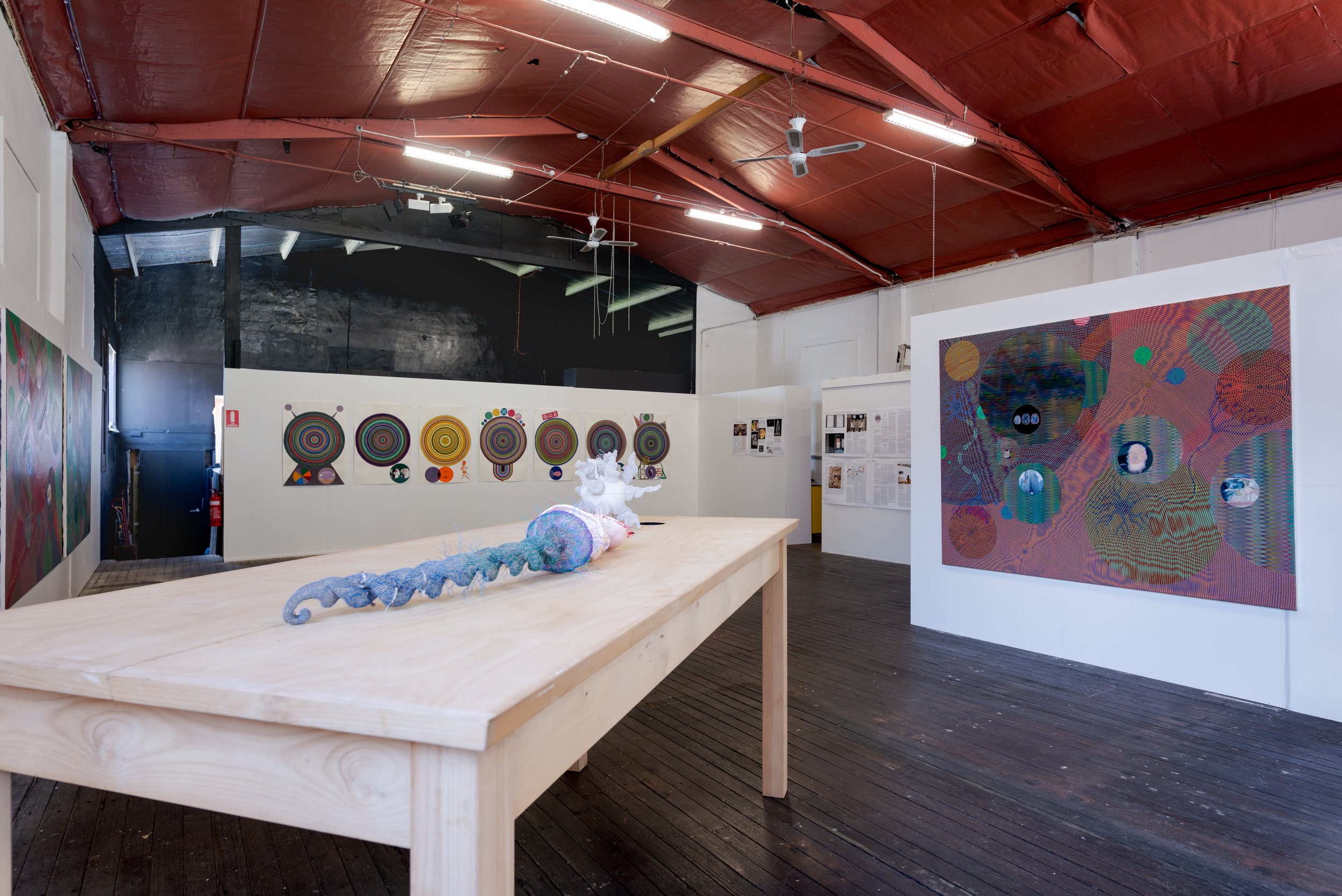
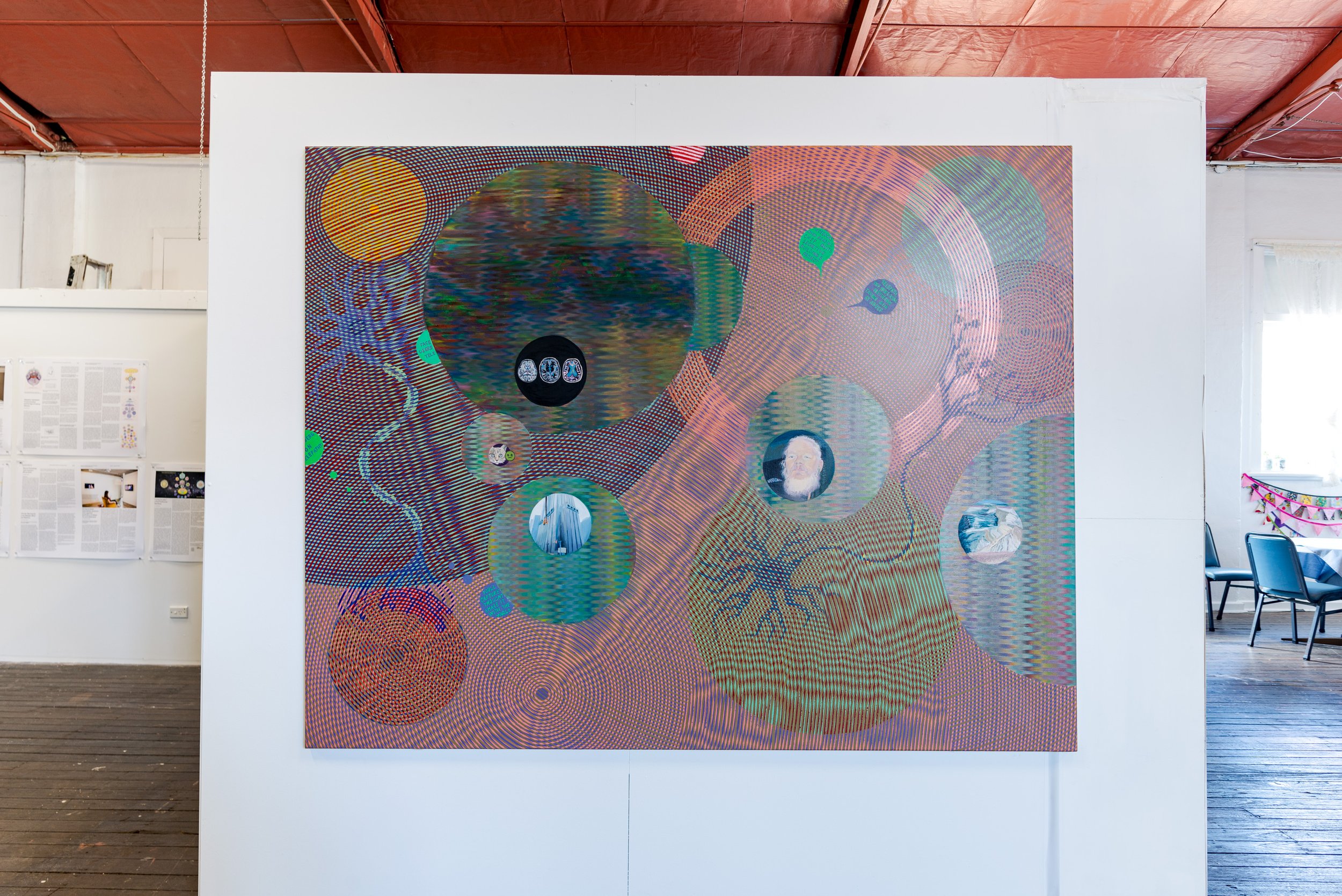
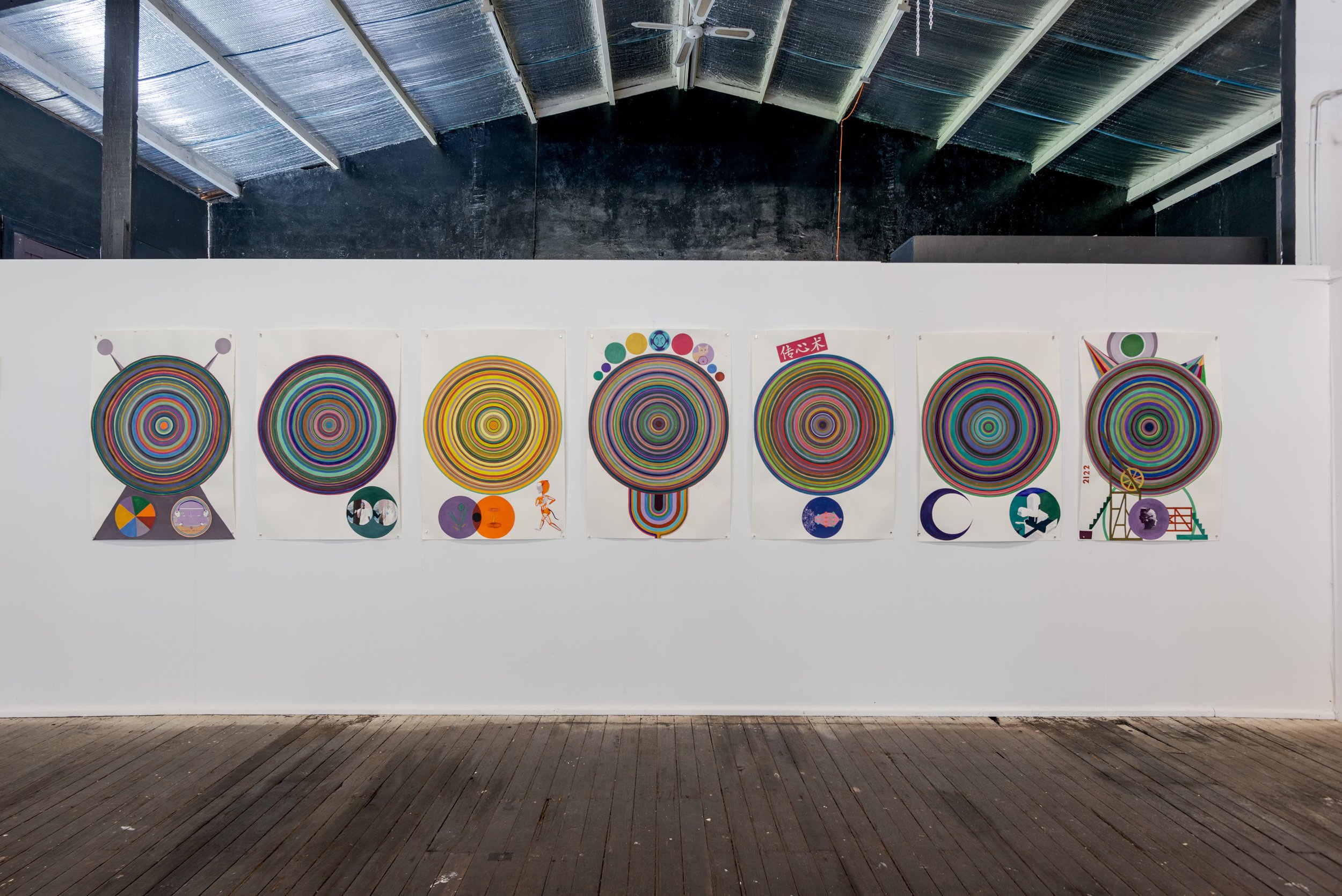
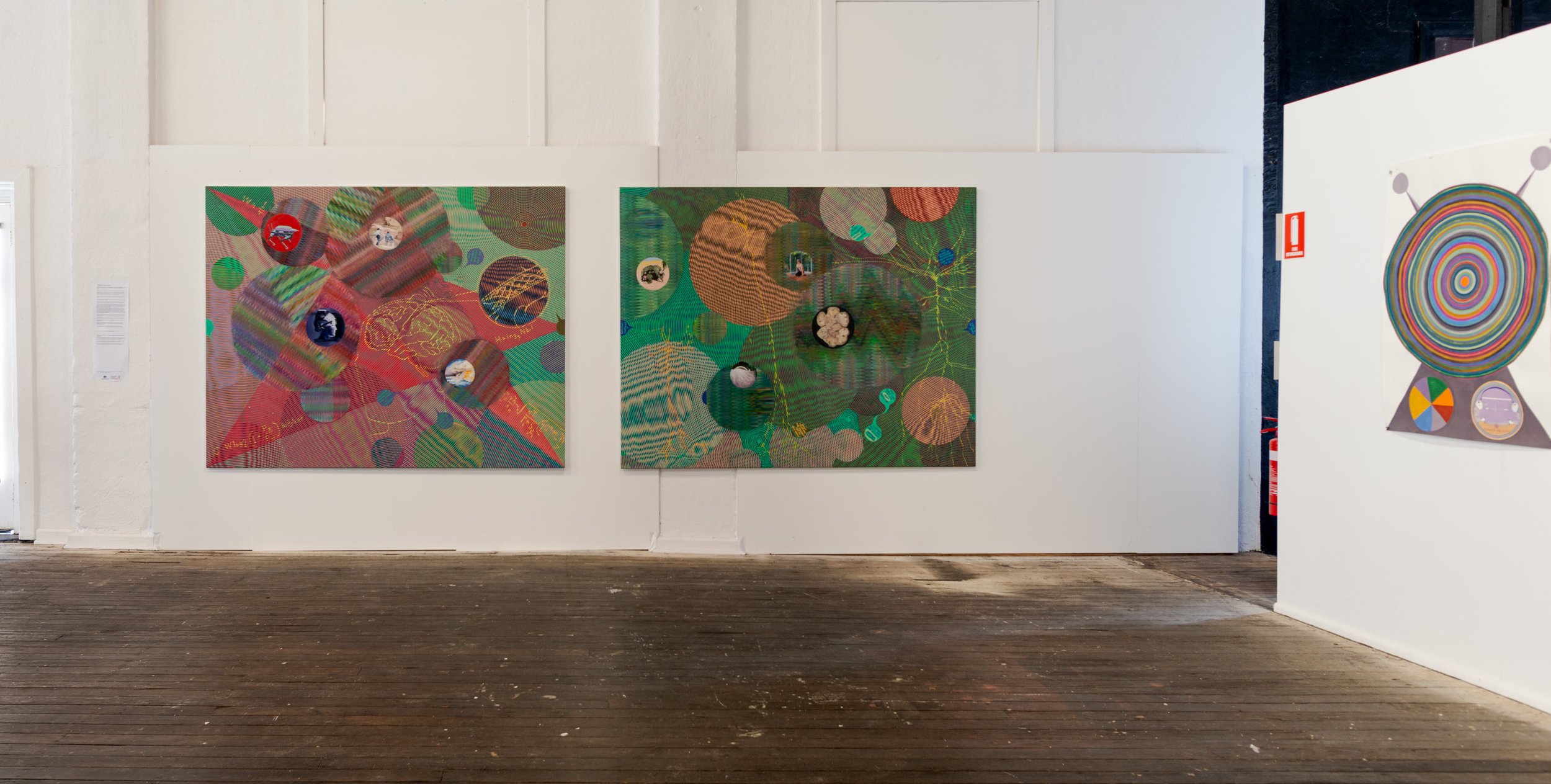
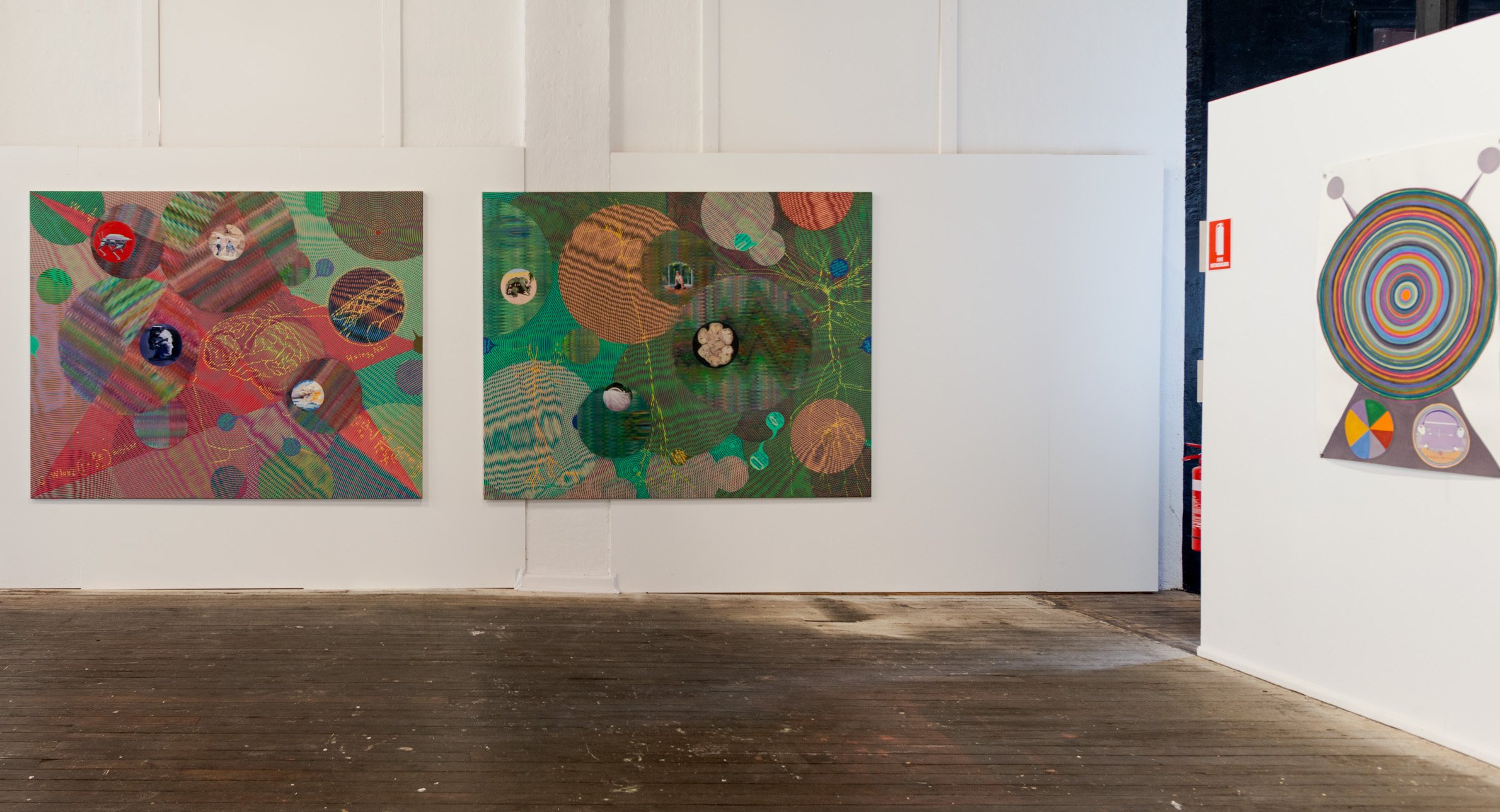
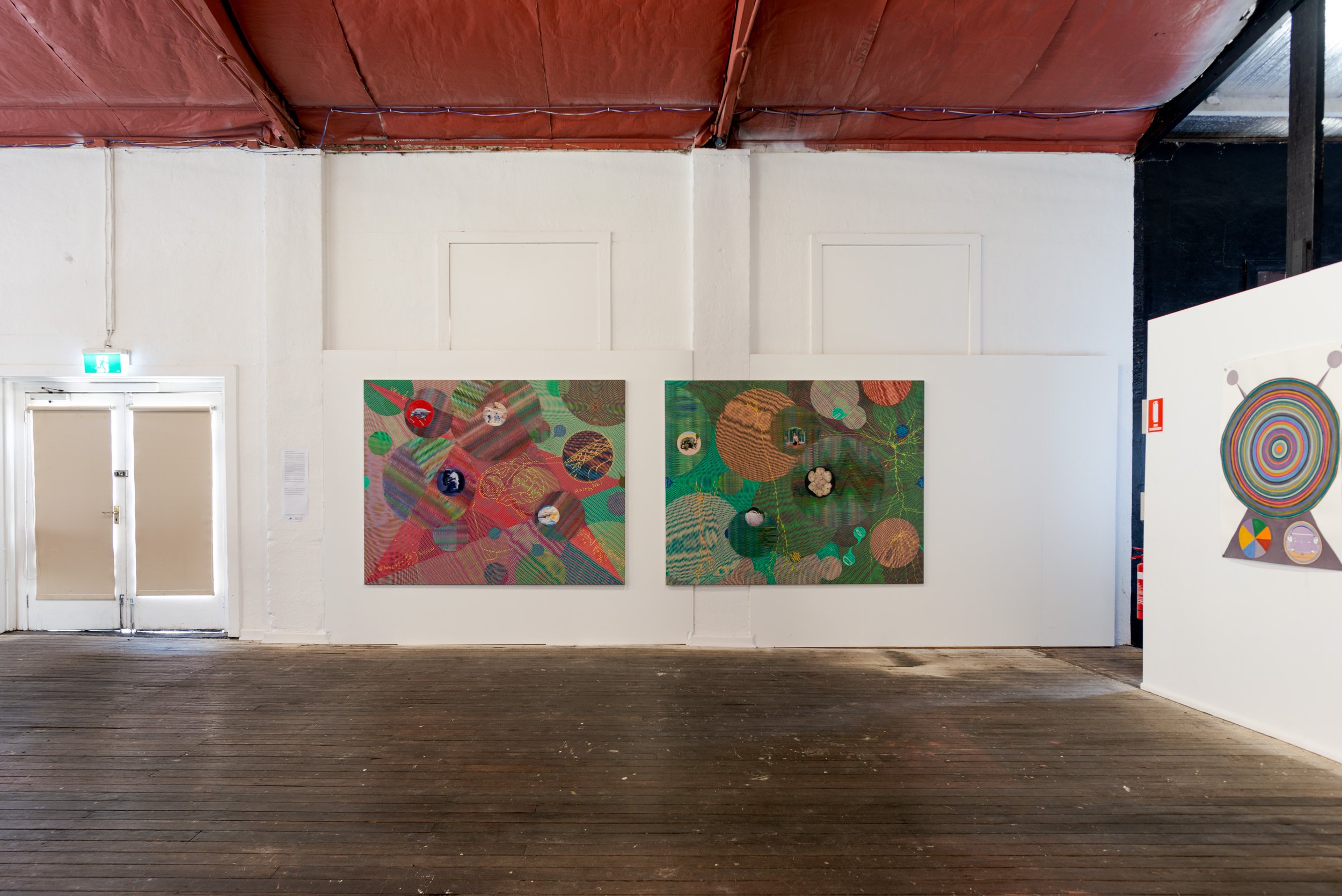
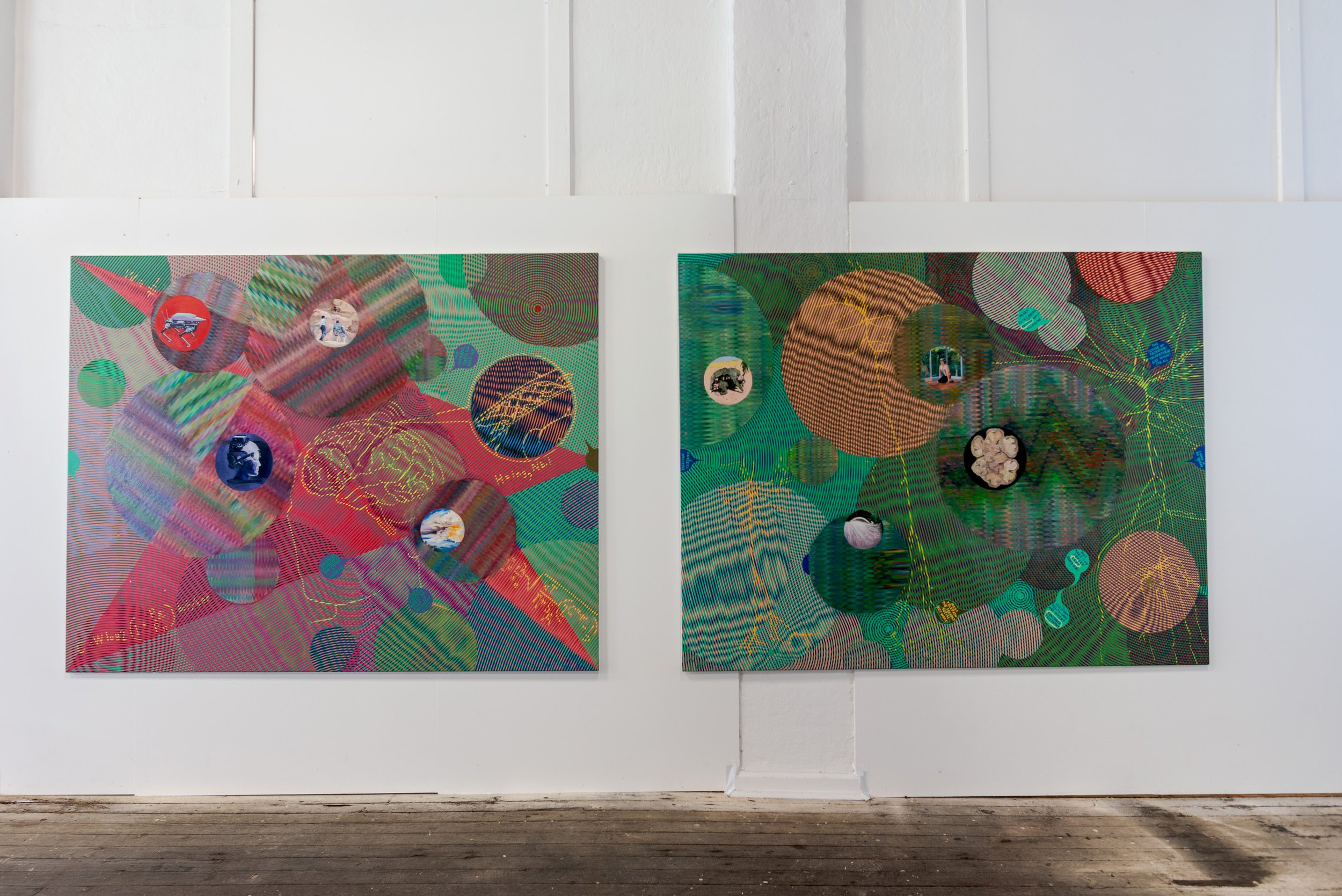
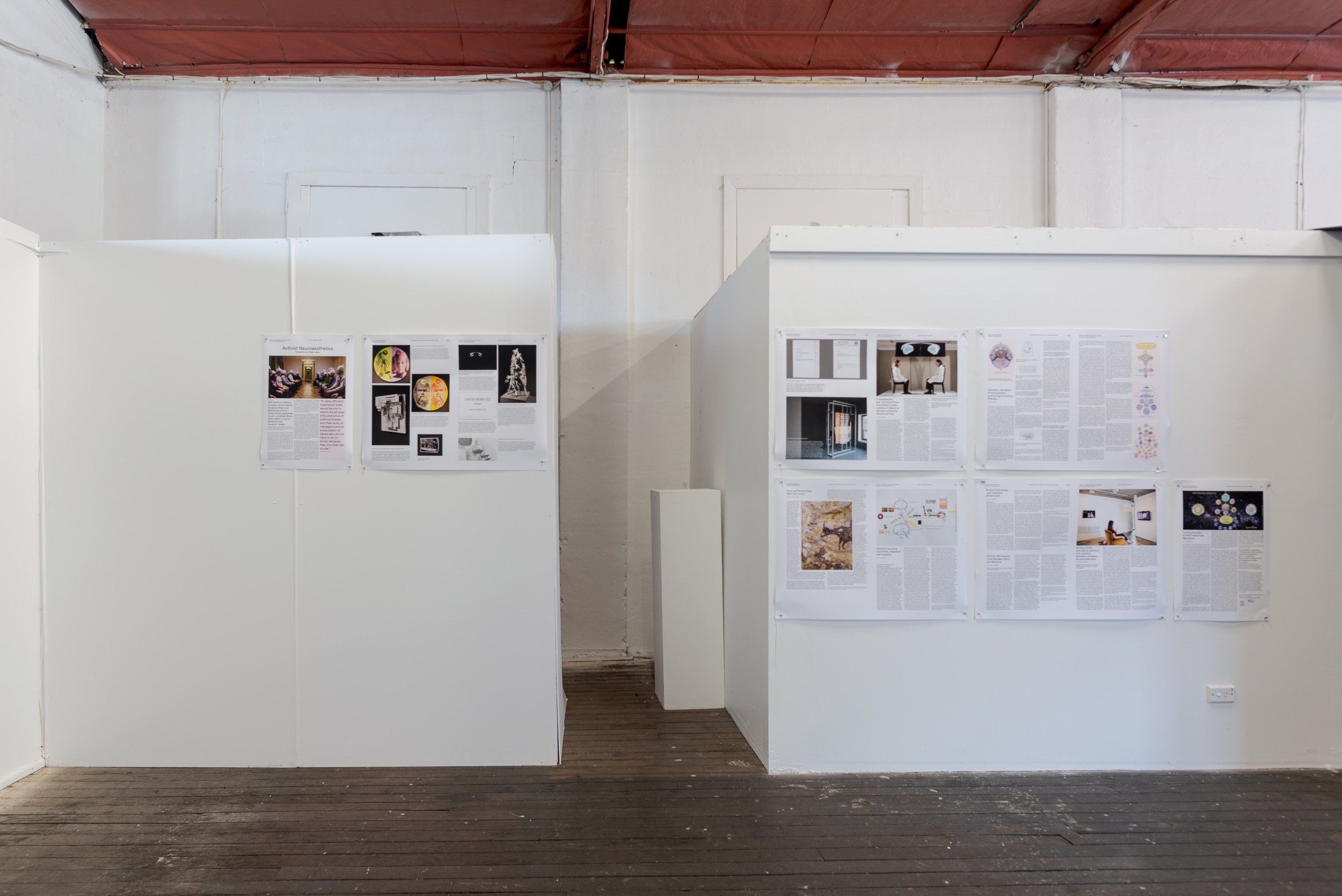
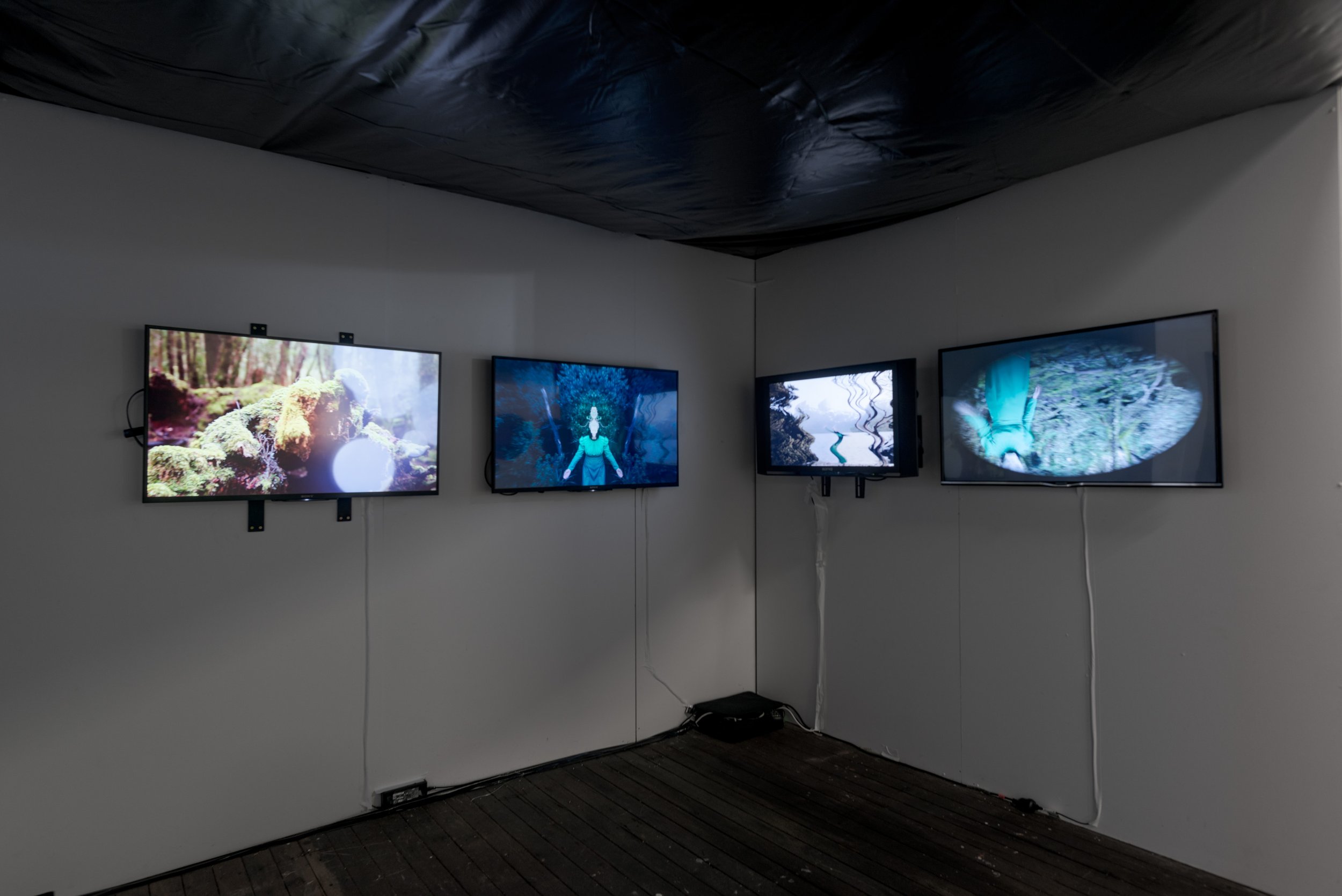
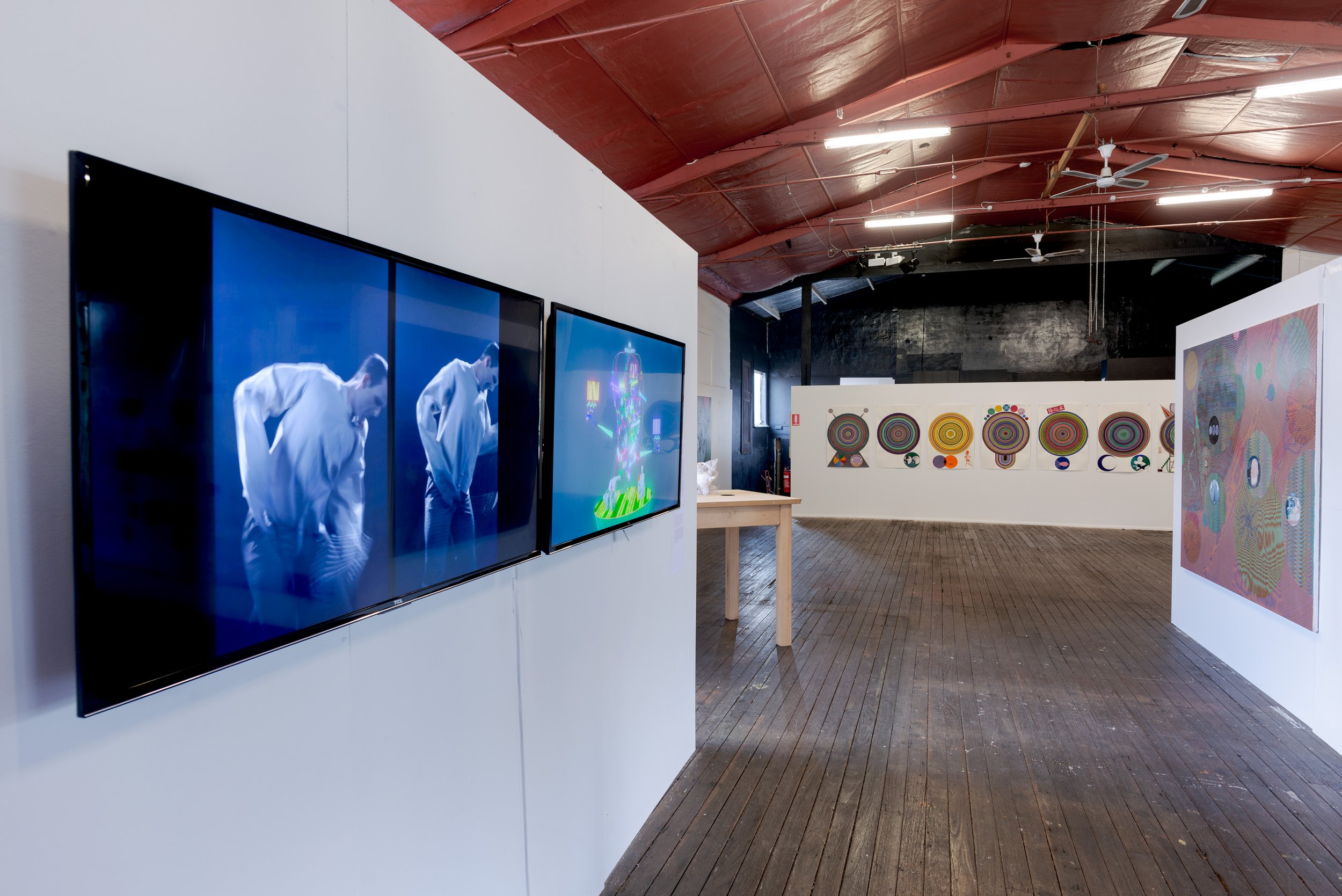
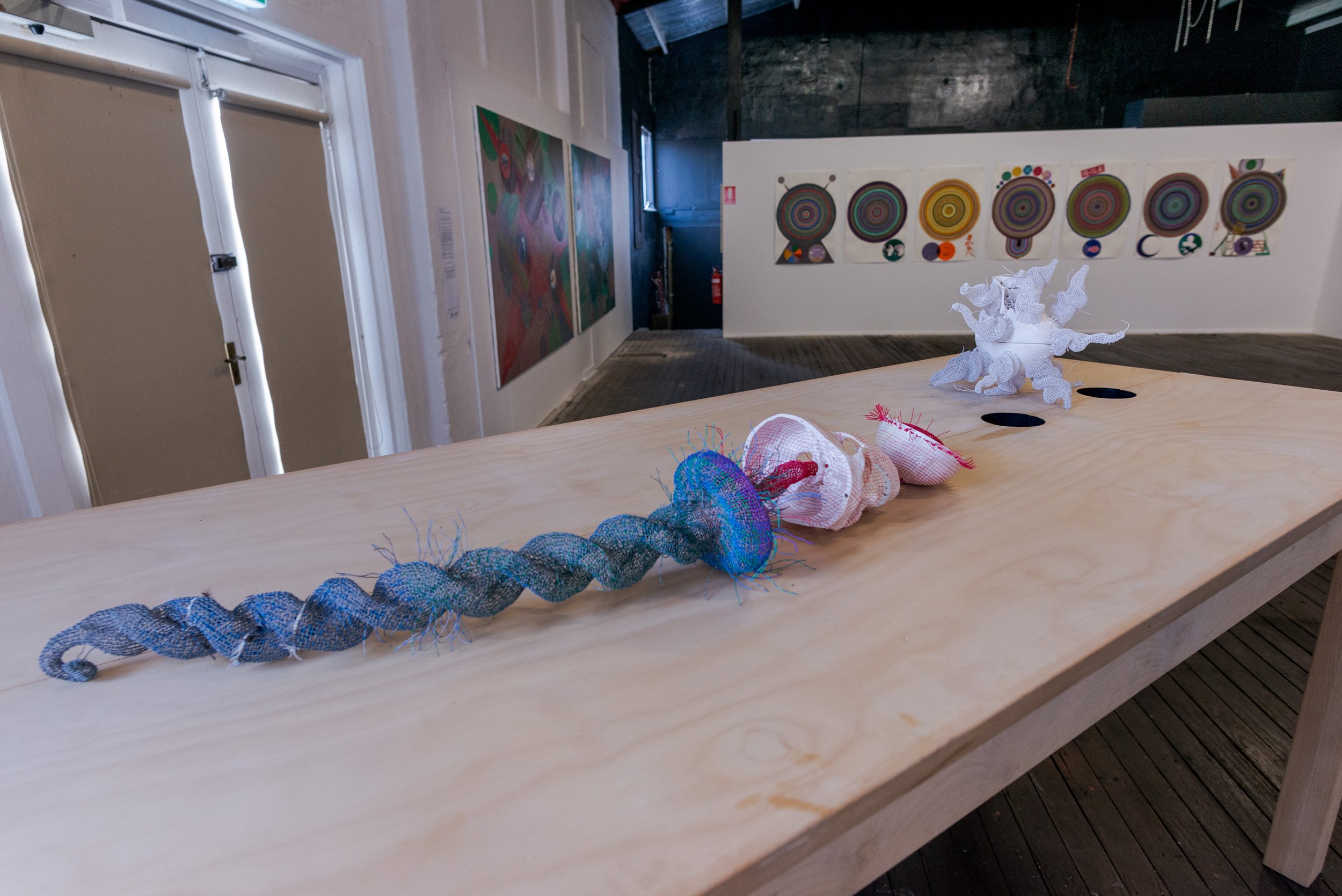
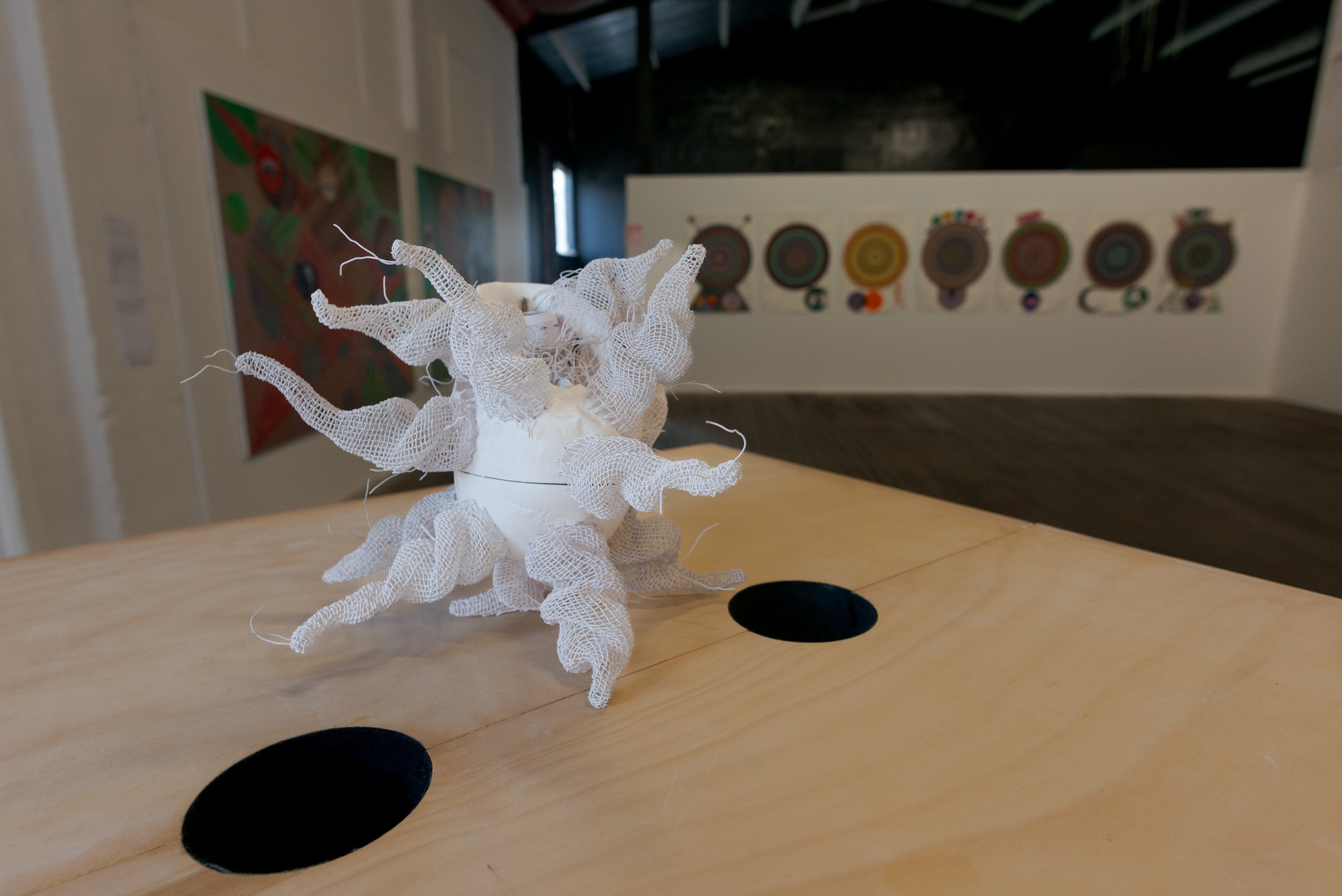
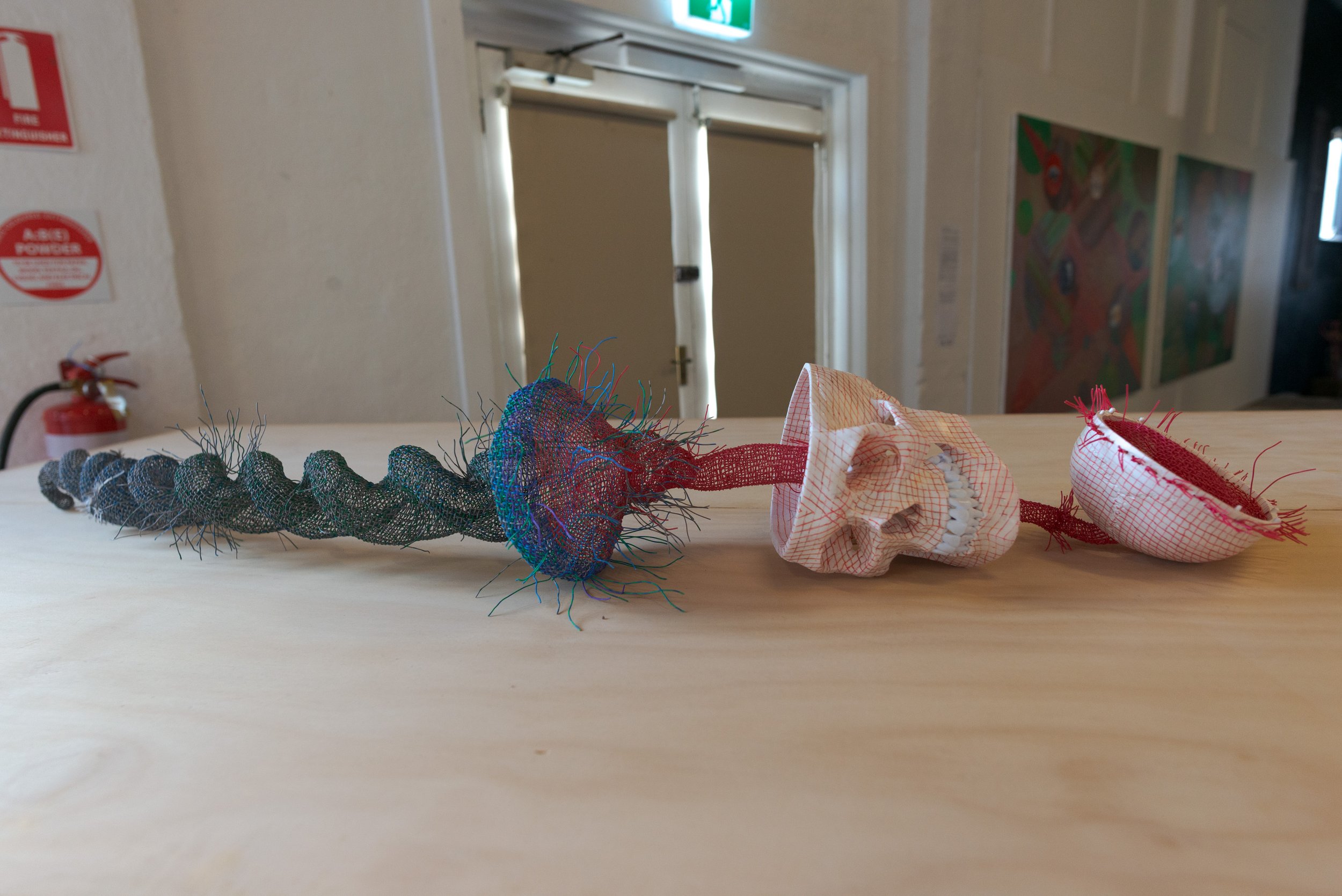
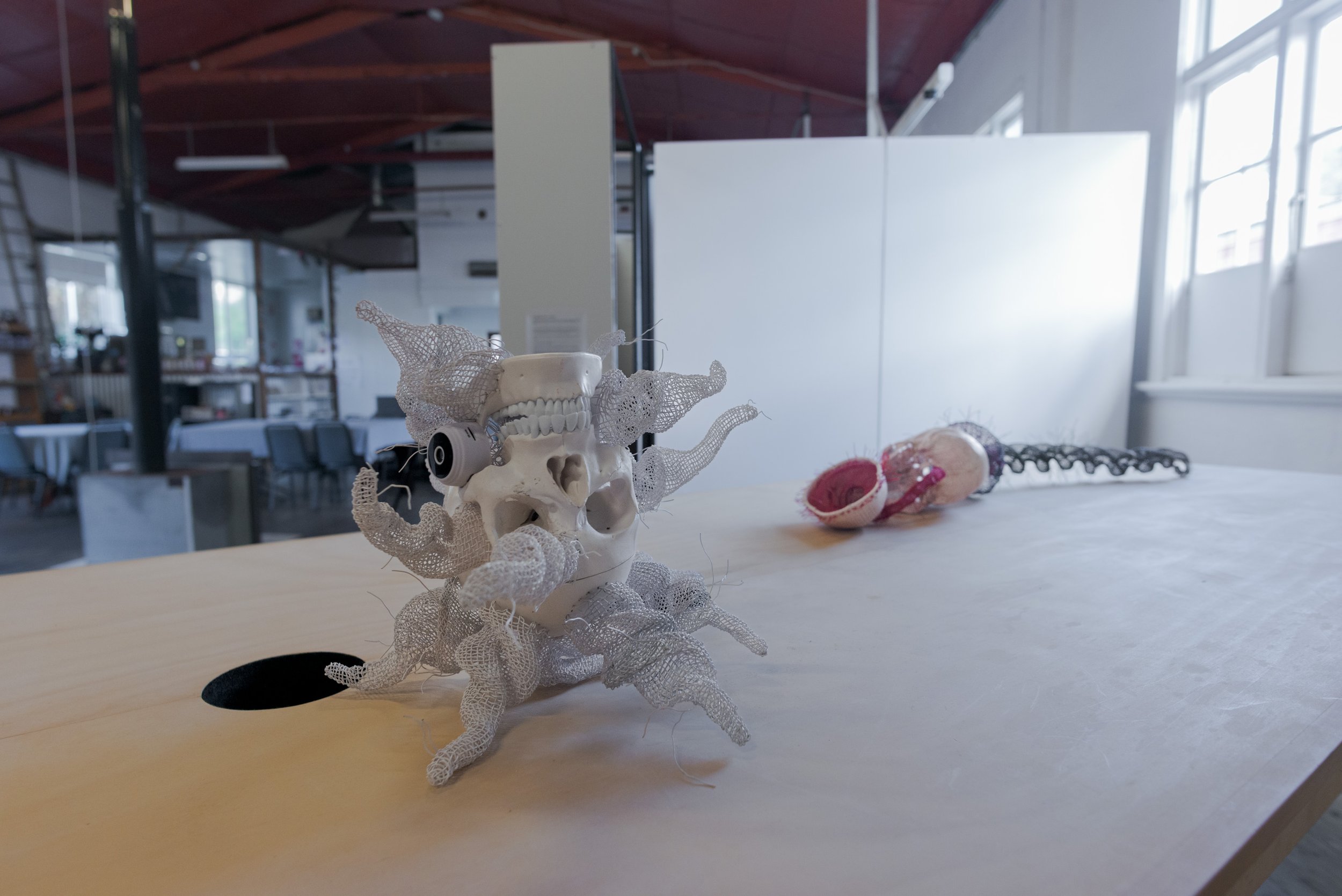
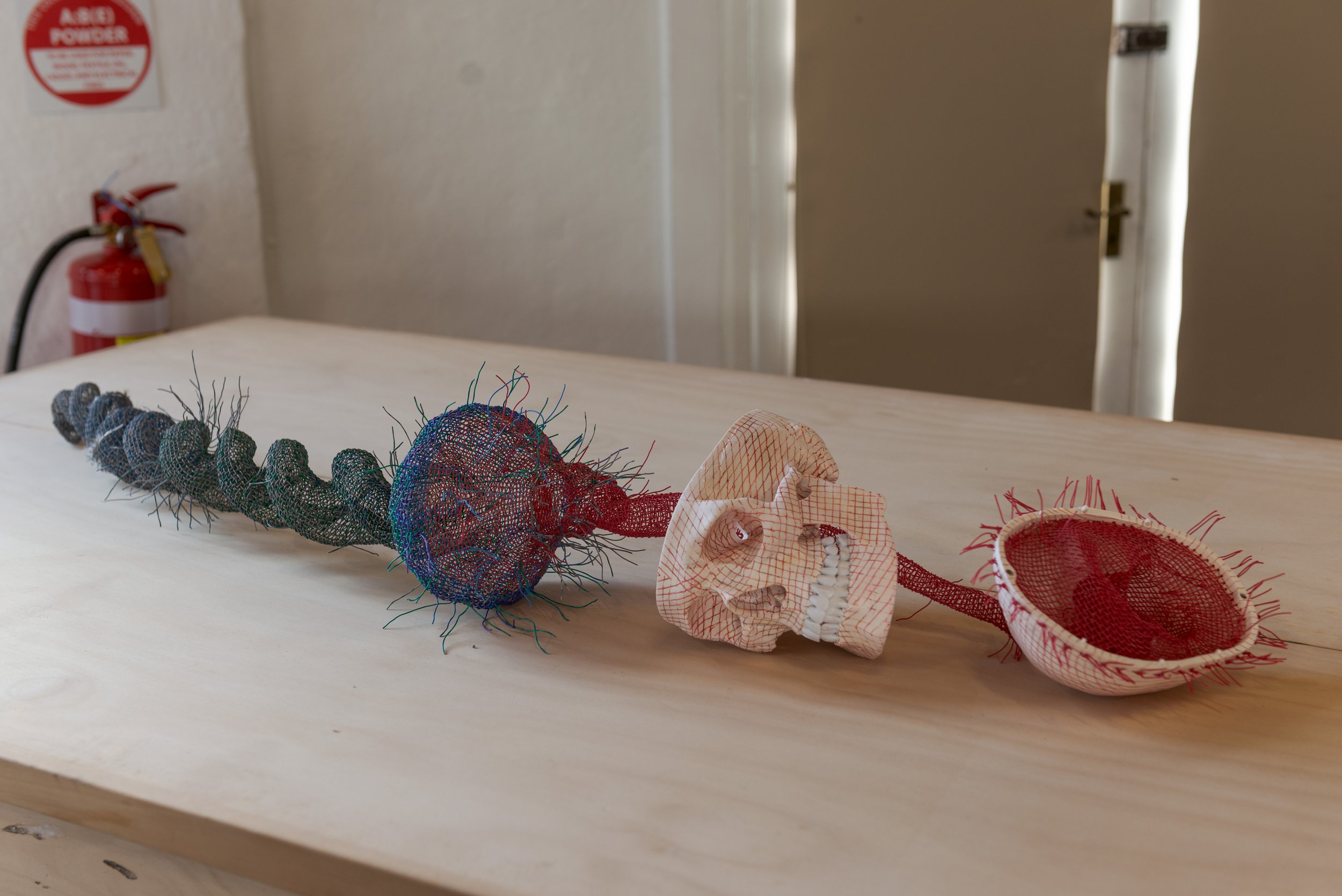
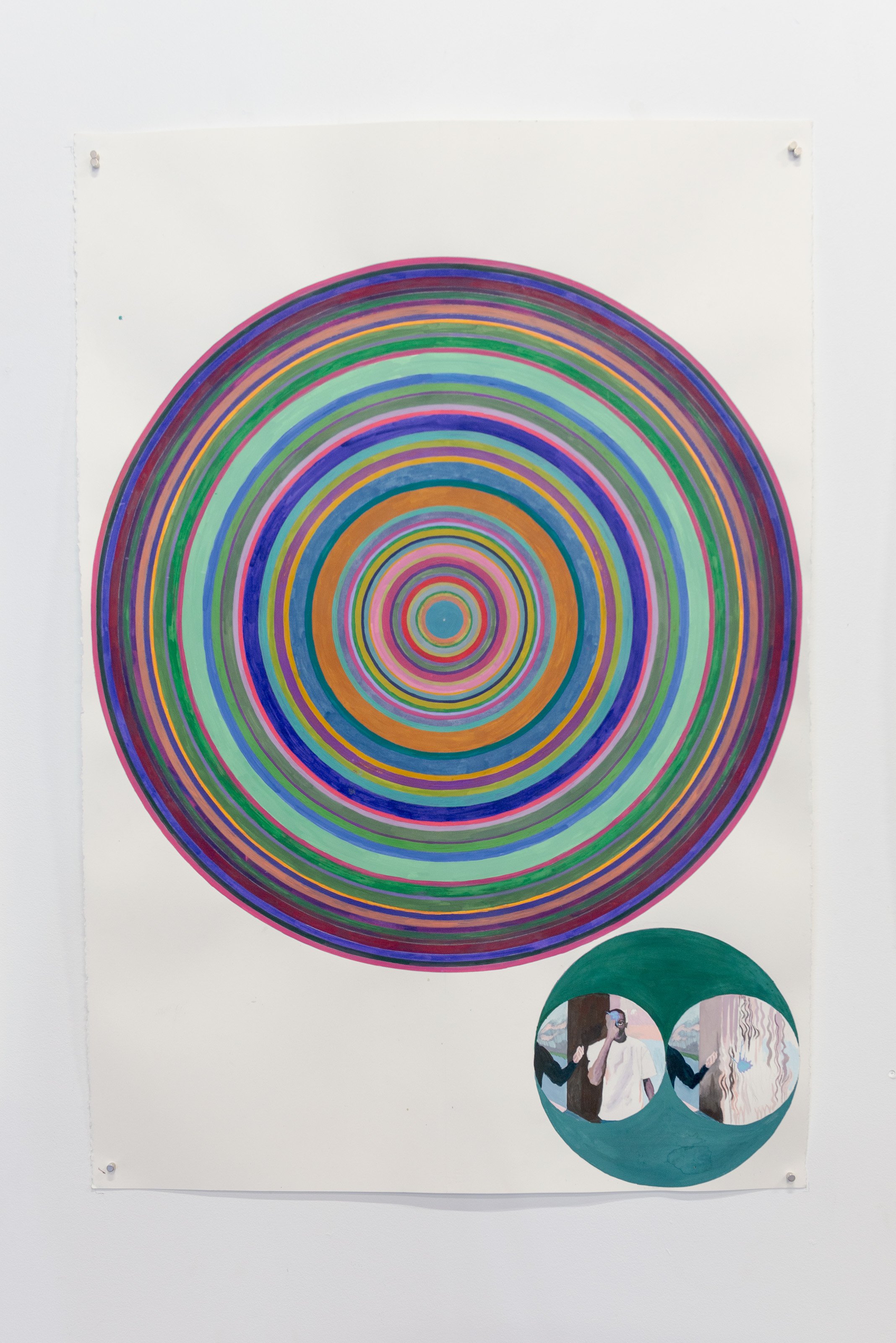
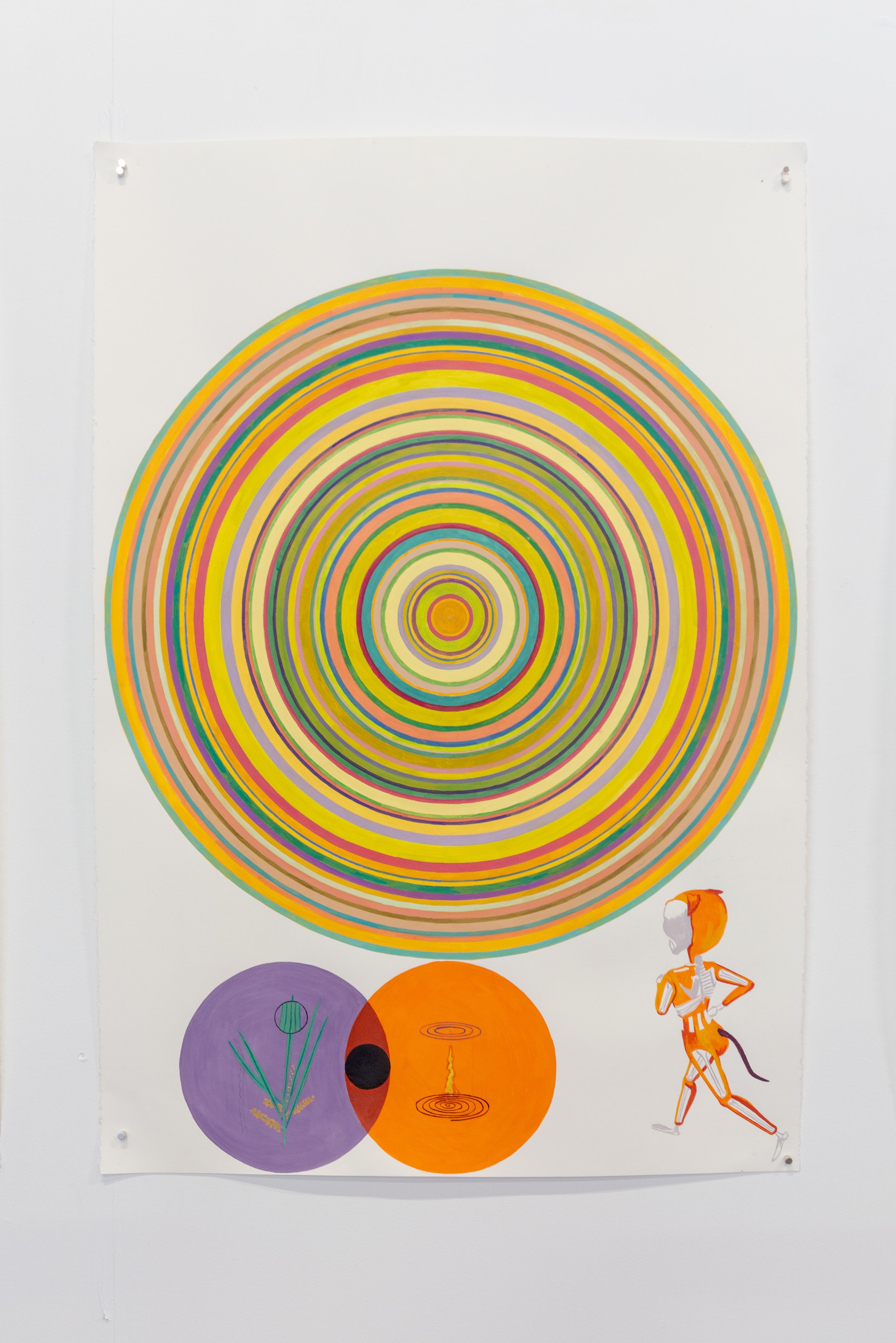
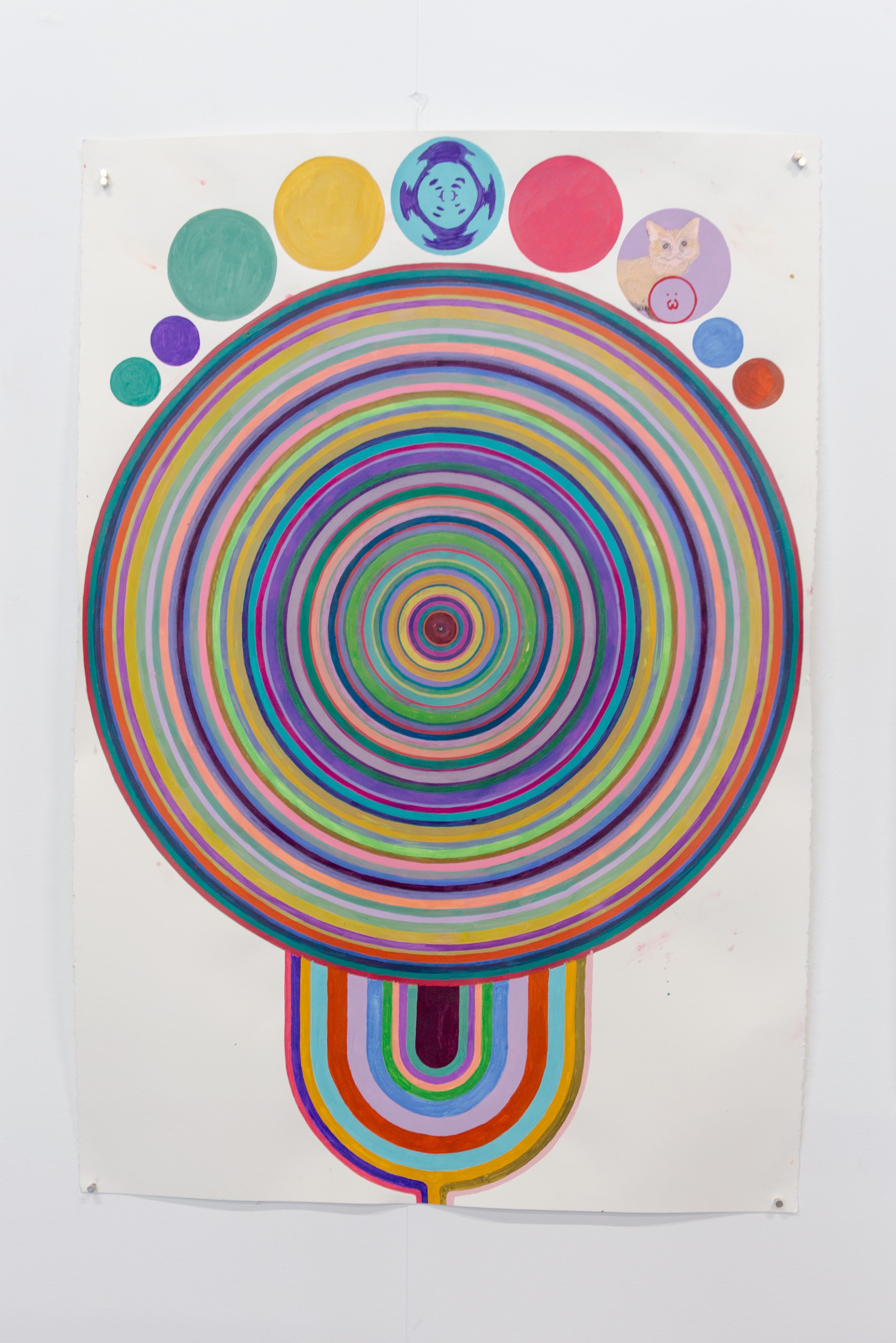
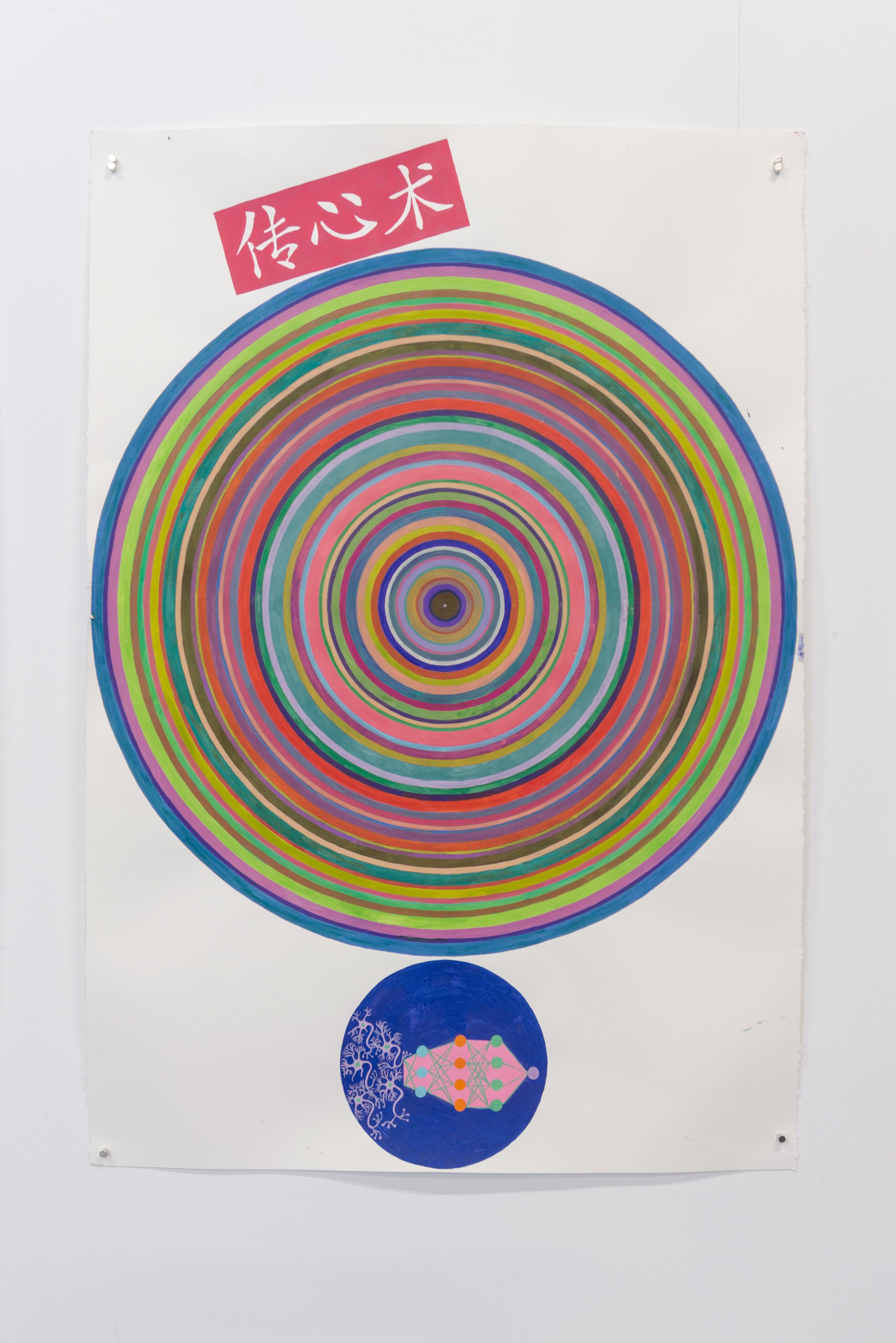
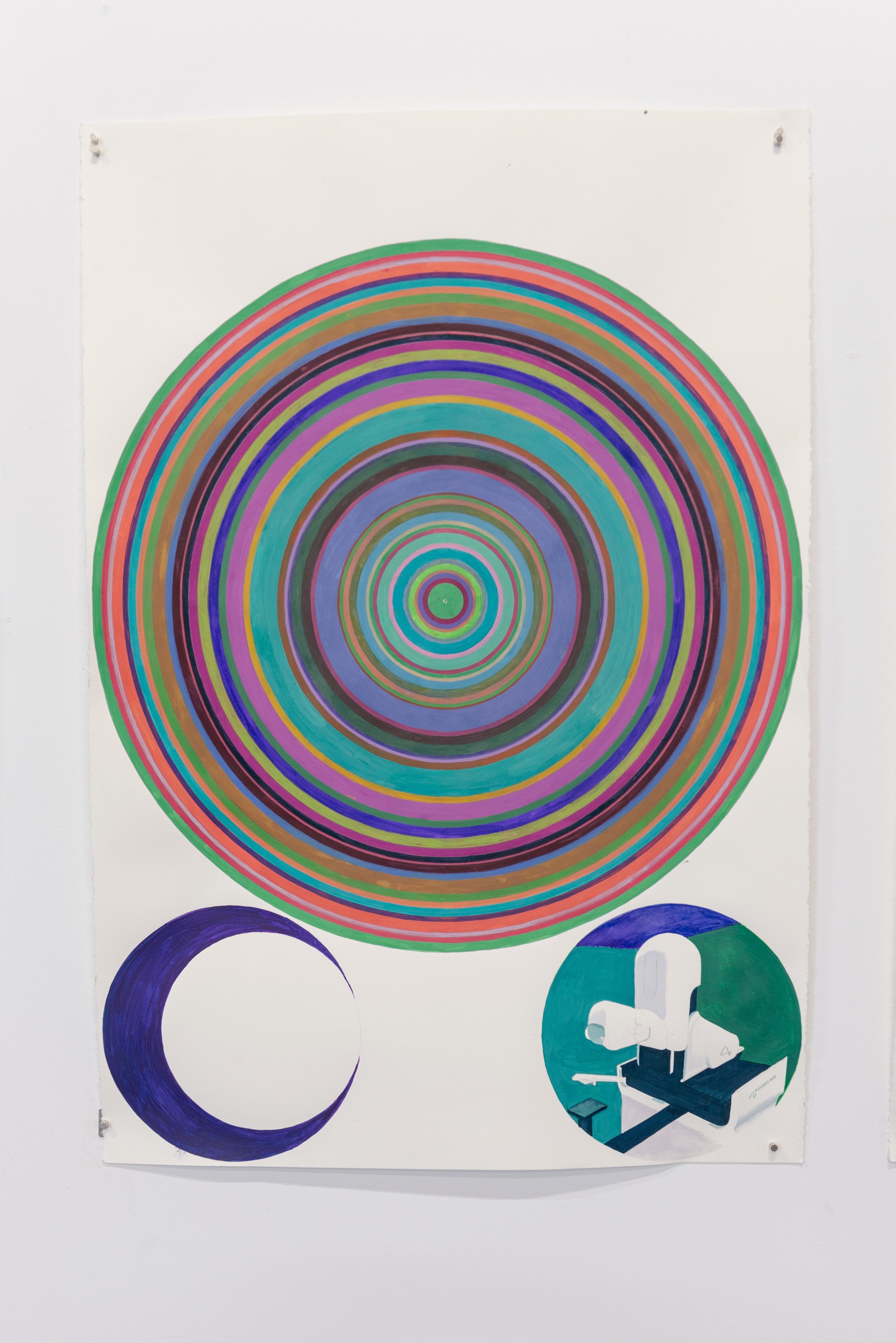
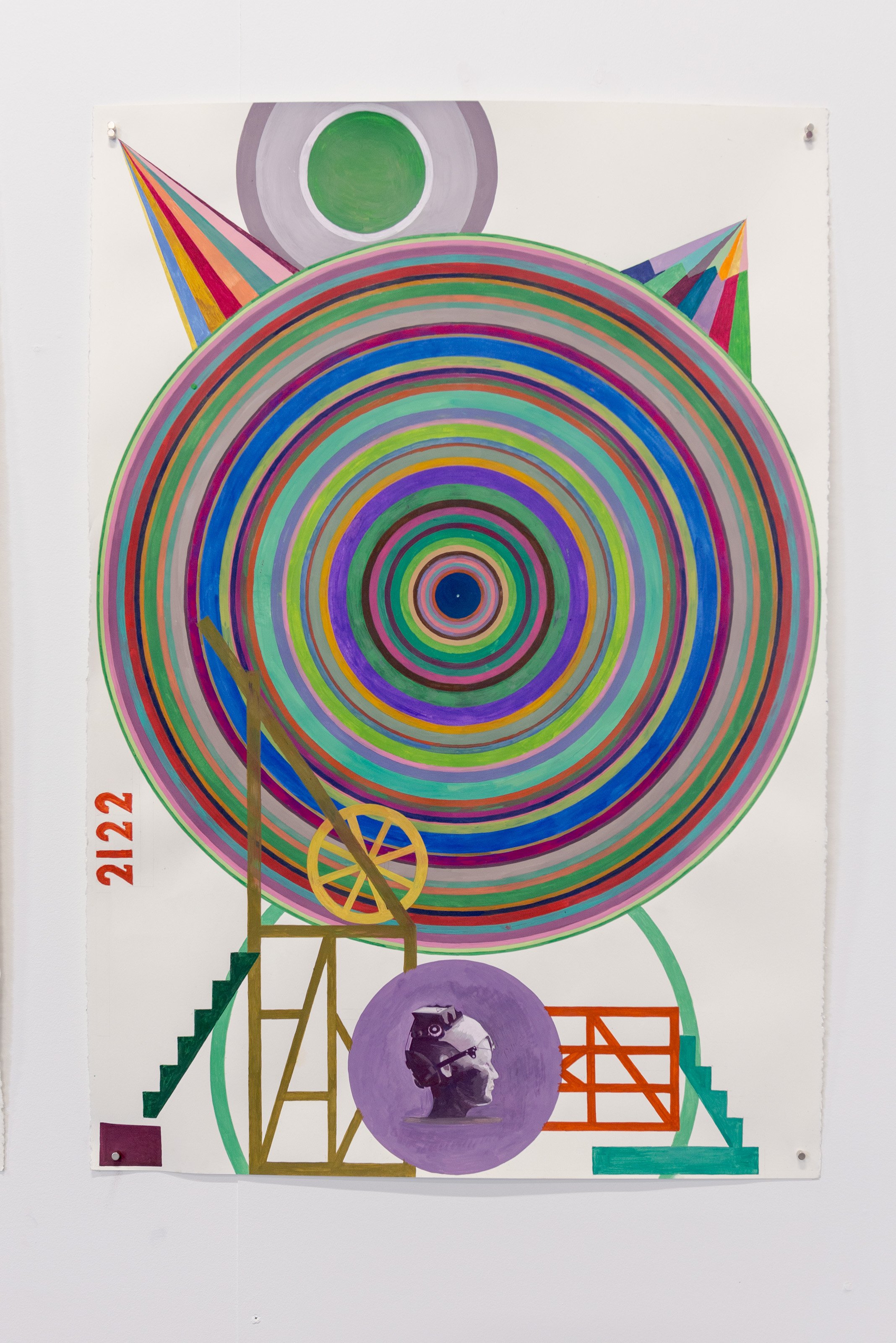
I undertook research at Institute Metapsychique Internationale (IMI) in Paris with help from IMI staffer Anais whilst writing on art and telepathy, and whilst on residency at Performing Arts Forum (PAF) in Saint Ermes I augmented 9 short new texts on Art and Telepathy that I was commissioned by Warren Neidich and Sarrita Hunn to write for Artbrain for their new book celebrating 35 Years of Artbrain. A book exhibition will accompany the texts as they appear in the Artbrain book and includes Hito Steyerl, Lynne Herschmann and Zoe Beloff, and the book is out in 2026. I thought a good way to start on my art and telepathy book (for which Warren Neidich has offered to write an introduction for, and find a publisher) whilst in France would be to undertake research into Frantisek Kupka’s ‘La Creation’ text (translating sections from French to English) in which he talks about as ‘telepathic’ and involving ‘mental telegraphy’, as well as related research texts exploring Frantisek Kupka’s telepathic painting by Faye Brauer and others and accessed the Pompidou Centre’s BPI library archives on Kupka. I popped into some Saas-Fee Summer Institute of Art (SFSIA) seminars at the Sorbonne run by Warren Neidich and Sarrita Hunn, and saw many exhibitions in public and commercial galleries. The most important exhibitions for my creative art research were the Wolfgang Tillman’s exhibition at the Pompidou Centre library - especially as he had two relevant publications on display which I was able to copy : ‘Looking for Transcendence: Can photography represent the ineffable?’ (a text he wrote) and ‘Spirituality’ (an edition he edited). Another great exhibition relevant for my research the big ‘Art Brut’ exhibition at the Grand Palais as it had a hole room and text/video on spiritualisms. Several of the contemporary art books I spotted in the IMI archives were also on sale directly alongside the Art Brut catalogue, so I bought them. Other important books I found for my research in France was a catalogue book on Dreaming by Pascal Pique as well as a brand new copy of Magiciens de la Terre. I made some drawings from these books and images I found and photographed at IMI. And whilst doing yoga everyday in the Blue Room performance rehearsal room at PAF I became inspired to show my drawings in this Blue Room (not really used by anyone else) and create a large metal installation using copper pipes (found and newly purchased with help from PAF handyman Lucas - to be repurposed into an outdoor hot tub for PAF residents). I had some great colleagial support from fellow PAF residents including Rebekkah Wilkins and Evgenii (Eugene) Kozlov, Lucas, Tristan, Tim Winter, Crystal Aslanian, Kyra Kaisal and more to support, document and promote my exhibition, and some interesting collaboration ideas for future creative research and art projects
Here is a new 2025 text written for Artbrain that I started further expanding upon for a book on art and telepathy, titled Artist Engagement with the Telepathics of Art History:
Artists often engage with art history more intuitively and imaginatively than art historians—sometimes even more profoundly. They are attuned to what might be called the telepathics of art history: an undercurrent of influence and transmission that stretches back to the shamanic practices of early modern humans. Susan Hiller and I inhabit the dual roles of artist and art historian, deliberately resisting the professional silos that separate making from historicizing. Her artwork The Sisters of Menon (1972–79) originated from a collaborative telepathy experiment, Draw Together, and evolved into a form of automatic writing. Hiller began channeling the voices of Theban sister-oracles, producing a feminist and mediumistic intervention that explicitly excluded male participation. The piece resonates with Surrealist automatism and Conceptual art while embedding itself in feminist mysticism. Hiller famously critiques the historical dismissal of women’s psychic practices as irrational or dilettantish rather than as rigorous, intellectual, or scientific. Some artists approach telepathic history through appropriation, a strategy of postmodernism—such as Imants Tillers, whose meta book-like paintings and installations reference key telepathic works by Robert Filliou and Marcel Duchamp. Others, like Sigmar Polke, blend visionary traditions (Blake, Goya) with critiques of popular culture, producing ghostly capitalist realist works. Artists like Gianni Motti use telepathy as a form of political and psychic protest in performance. Then there are projects like The Telepathy Project, where artists sleep beside historical paintings of sleep in national galleries, embedding themselves—both physically and psychically—within the canon. This practice engages both consciously and unconsciously with the lineage of telepathic art. In my own work, one piece invites viewers to listen to a recorded voice of a psychic claiming contact with Marcel Duchamp. I created it while writing my PhD, Telepathy in Contemporary, Conceptual and Performance Art (2005), where I explored how telepathy has shaped—and continues to shape—the terrain of contemporary artistic practice..
This residency project was gratefully supported by a Regional Arts Fund (RAF) New South Wales (NSW) Quick Response Grant (QRG) 2025